A family visit to Varanasi often contains several different holidays. One person has come for worship, another wants history, someone enjoys shopping, and someone else needs a chair after a modest walk. The best itinerary gives those wishes room without asking everybody to keep the pace of the fastest walker. Start with two shared priorities and build the journey around them. The places below work as choices for a family trip, with attention to what each outing asks of the group, rather than a claim that every attraction suits every age equally.
Begin with a family decision, then choose the places
Before booking excursions, ask each person to name one experience they would regret missing. Keep the answer specific: darshan at Kashi Vishwanath, an evening ceremony, a museum visit or time to choose a sari. These wishes are easier to schedule than a general agreement to see everything. Give the most important experience the clearest time block.
Next, discuss the practical differences honestly. How long can everyone walk comfortably? Does anyone need frequent seating, a predictable meal or help on steps? Who is content to wait while others worship? A hotel described as central may still involve a substantial final approach on foot, so ask about the room-to-vehicle journey as well as the map location.
It is reasonable to split into smaller groups for one activity and reunite afterwards. Agree a real meeting place and a person responsible for the coordination. A family trip does not become less shared because someone takes a rest while others enter a queue. Our Varanasi hotel-area guide can help you choose a base that supports the kind of outings you actually want.
Kashi Vishwanath Dham: protect the purpose of the visit
If pilgrimage is the reason for travelling, put Kashi Vishwanath near the centre of the plan rather than treating it as one stop among many. Decide who wants darshan, who has a booked religious service and who is mainly interested in the surroundings. The same arrival time may not serve all three purposes equally well.
Check current instructions before leaving, including belongings, the permitted approach and any reporting requirement. The Trust's notice describes limited locker capacity, restrictions on electronic devices and help arrangements. Avoid arriving with a full day's shopping or travel luggage. A lighter approach also makes it easier for companions to assist one another through the walking and security stages.
For someone needing mobility support, confirm the complete route with the responsible staff: the road endpoint, authorised assistance, surfaces, steps and collection afterwards. Do not translate a broad precinct photograph into a guarantee of a step-free journey. The how to reach guide helps frame those questions; the darshan guide addresses worship preparation.
Afterwards, leave room for a meal and a genuine break. A completed family pilgrimage does not need to be followed immediately by another demanding attraction to count as a worthwhile morning.
Sarnath: history with room for different levels of interest
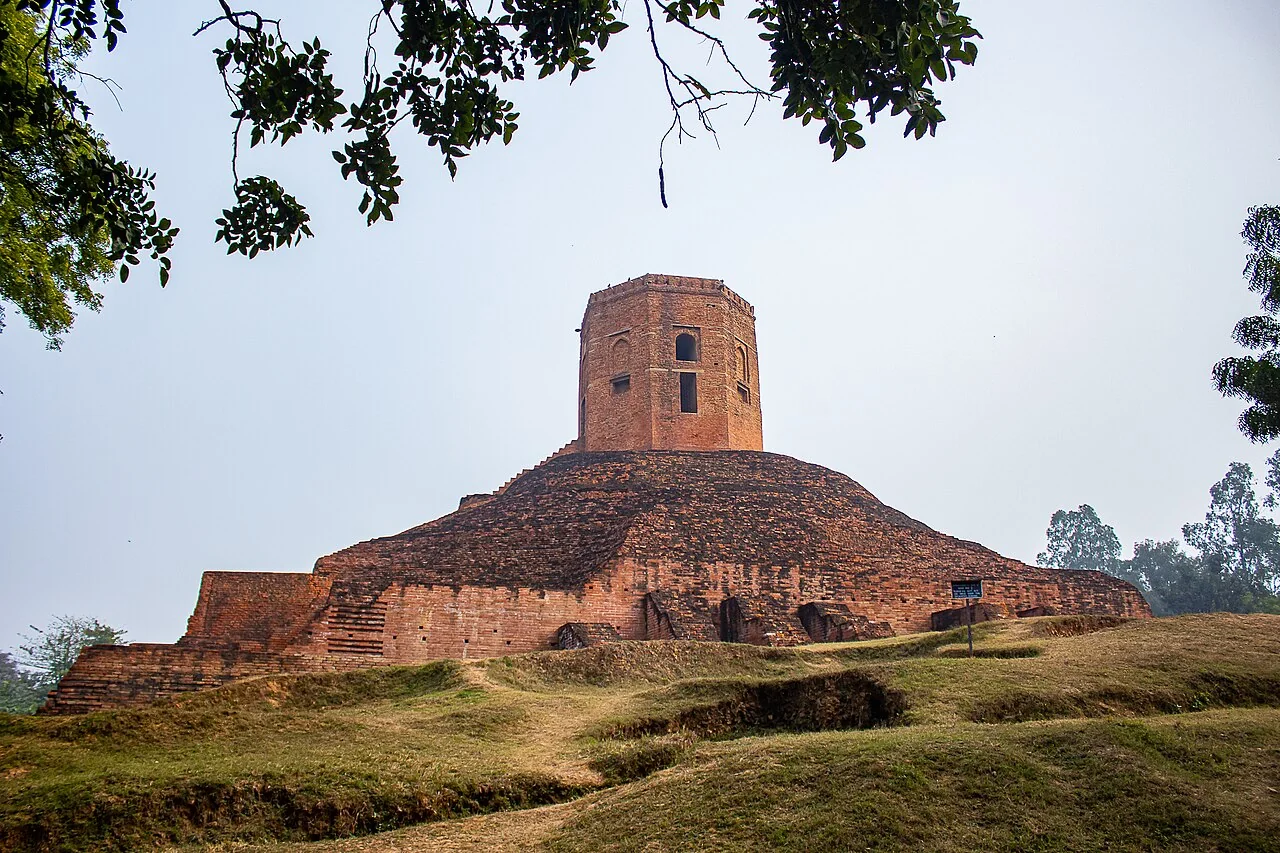
Sarnath makes sense when the family wants an outing with a clear historical and religious theme. The district administration identifies it with the Buddha's first teaching. The archaeological area, museum and living religious sites offer different ways to understand that background, but they are separate places with their own access arrangements.
Choose a small combination. One family may prefer the museum and a short exterior site visit; another may value a temple stop and time to look at the remains. A knowledgeable authorised guide can help mixed interests meet, especially when the explanation connects an object with a place rather than overwhelming everyone with dates. Agree the guide's scope and charge before beginning.
Protect the museum window if it matters to your group. The museum's planning information lists Friday as closed, and official references differ on the daily opening hour. Confirm directly before departure. Decide which person will check tickets, who carries water and where the vehicle will collect you. These details free the rest of the family to concentrate on the visit.
Use the Sarnath attraction guide for the individual sights and the Varanasi to Sarnath guide for the journey. Sarnath can be the main outing of a day; it does not need a fort visit and a fixed central evening added to make the transport worthwhile.
Evening Ganga Aarti: choose comfort before proximity
An evening ceremony can become a shared highlight when everyone understands the setting. Describe the crowd, sound and waiting before the group reaches the ghat. Someone who loves the atmosphere may want a closer public position; someone who finds dense gatherings tiring may prefer a more distant view or a different evening activity.
Choose together before the group disperses. A paid viewing arrangement should be evaluated by the actual approach, seating, visibility and exit, not by a reassuring label alone. Ask where you will wait, whether steps remain and how you leave afterwards. A boat is another distinct service and may create its own boarding challenge.
Our Aarti viewing comparison explains the options. For a group containing children, read the Aarti with kids guide as well. Keep dinner nearby or have a clear transport plan, because an enjoyable ceremony can end with everyone hungry at the same time.
Compare outings by the effort they require
| Outing | Main family appeal | Question to settle first |
|---|---|---|
| Kashi Vishwanath Dham | Shared pilgrimage and the sacred precinct | Who enters which service, and how will everyone regroup? |
| Assi riverfront | A flexible introduction to the Ganga | Is the actual approach comfortable for the whole group? |
| BHU temple or museum | A different setting and selective cultural interest | Which venue is open, and what walking is involved? |
| Sarnath | Buddhist heritage, objects and archaeological context | Which two or three stops deserve the available energy? |
| Evening Aarti | A strong shared sense of occasion | Does the viewing and exit plan suit the least comfortable person? |
| Ramnagar or shopping | A specific historical or purchasing interest | Is this genuinely wanted by the people joining? |
Treat the answers as part of choosing the attraction. A site is not automatically family-friendly because children and older people are allowed inside. Toilets, shade, steps, waiting, food and the return journey determine whether the visit works for your particular group. Ask about them directly rather than relying on a general accessibility claim.
For a two-day stay, one sensible editorial structure is a southern or central introduction on the first day, followed by the principal worship or Sarnath outing on the second. Keep only one fixed evening. If pilgrimage is the main purpose, give it the freshest part of the trip; if the family is visiting for culture, use the museum opening as the fixed point instead.
Meals and pauses keep the family itinerary together
Choose meal stops before hunger becomes the next argument. Ask about the actual seating, menu and toilets when those affect your group. Carry necessary personal essentials and make sure the person who needs them can reach them. Do not distribute everything into one bag that may later be stored or carried away with a smaller group.
Build a proper rest into the day rather than describing every transfer as a break. Sitting in traffic is still travel, and waiting beside a queue is still part of an outing. A hotel pause can give everyone a more enjoyable evening, especially after an early start. The temple-area restaurant guide offers one researched starting point for central meals.
The most successful family memory may be a small moment nobody scheduled: a grandparent explaining a ritual, a child asking about a museum object, or everyone agreeing that the river looks different at dusk. Leave enough room for those exchanges. Varanasi gives different generations plenty to share when the itinerary allows them to meet at a comfortable pace.
Photograph sources and licences
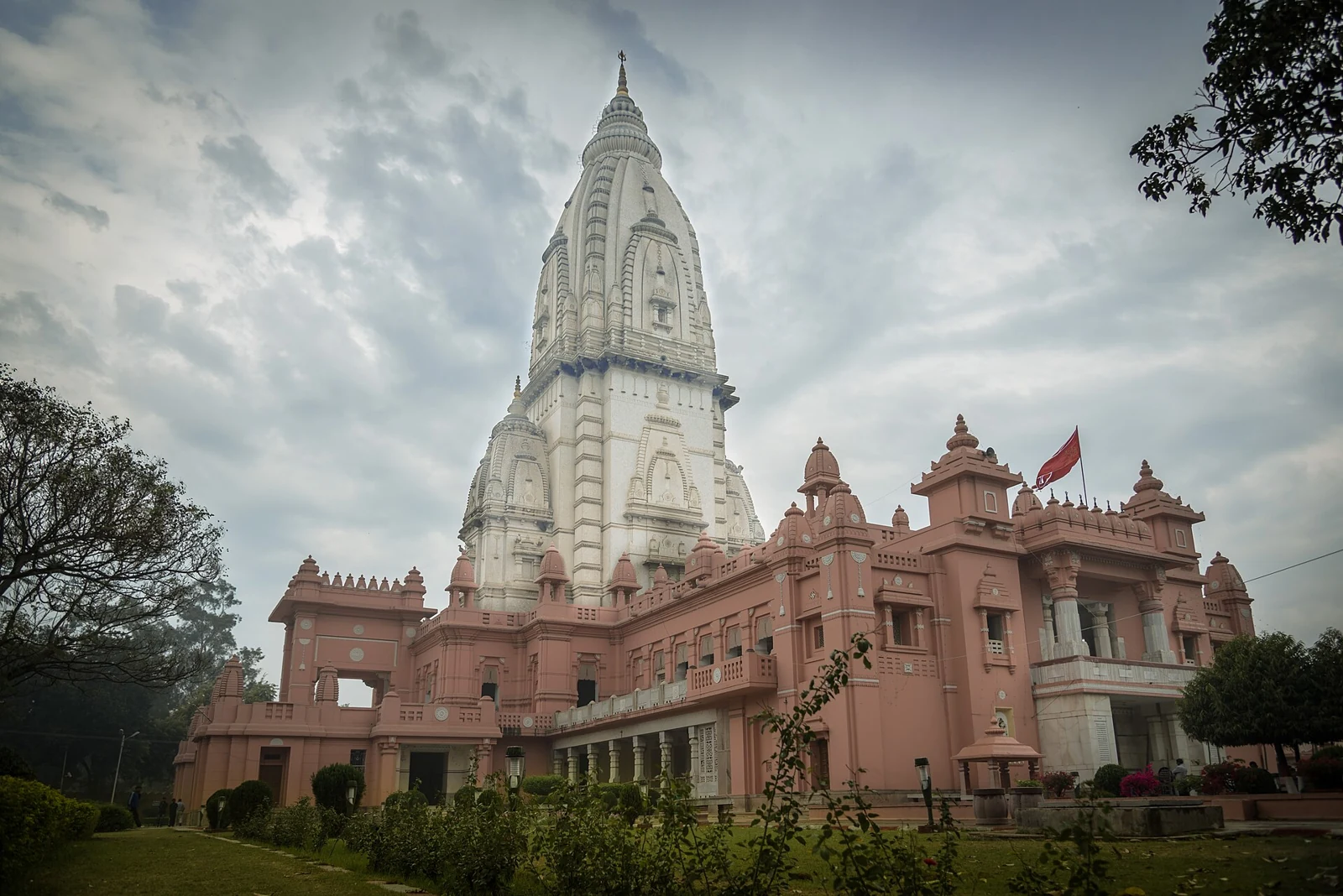
Hero photograph: New Vishwanath Temple at BHU.jpg. Kuber Patel, Rosehub / Wikimedia Commons; CC BY-SA 4.0. Source: https://commons.wikimedia.org/?curid=48178899. Licence: https://creativecommons.org/licenses/by-sa/4.0. Photograph date: 2016-03-05. Resized and converted to WebP; no generative editing.
Article photograph: Chaukhandi Stupa, Saranath.jpg. MaximusPrasad / Wikimedia Commons; CC0. Source: https://commons.wikimedia.org/?curid=152542316. Licence: http://creativecommons.org/publicdomain/zero/1.0/deed.en. Photograph date: 2024-01-20 14:19:13. Resized and converted to WebP; no generative editing.
These documentary photographs are credited to their original photographers. They illustrate the identified places and do not establish current access, services or crowd conditions.
BEFORE YOU GO
Frequently asked questions
Which places are easiest to combine on a family trip?
Combine by neighbourhood and interest: Assi with a selective southern or BHU outing, or a central temple visit with a meal and rest nearby. Give Sarnath its own substantial time block. Avoid combining places solely because a standard package lists them together.
Can older relatives visit the main attractions comfortably?
The answer depends on the person's needs and the actual route. Ask about steps, surfaces, seating, walking and authorised assistance at each venue. Confirm the car-to-entrance journey and the return. No single description of a destination can establish accessibility for every visitor.
Is a boat the best family activity?
It can be enjoyable for a group that wants it and can manage the boarding arrangement, but it is optional. Confirm permissions, life jackets, route and landing before choosing. A relaxed shore visit may suit the family better than adding a service someone finds uncomfortable.
How many attractions should we plan each day?
Start with one main outing and one optional lighter activity, then adjust to your family. Worship queues, travel and meals need real time. The best number is the one that leaves everyone able to enjoy the visit and return comfortably, not a fixed sightseeing target.
Should the whole family stay together throughout?
Not necessarily. A short agreed split can let different interests coexist. Decide who accompanies anyone needing support, establish a clear reunion point and avoid relying only on a phone that may be stored or unavailable. Rejoin for a meal or another experience everyone wants.
REFERENCE NOTES
Sources and practical updates
These primary sources support the factual background of this guide. For your travel dates, confirm the current arrangements with the responsible venue, property or service provider.
- Kashi Vishwanath Trust: current access, electronics and limited-locker notices
- Banaras Hindu University manual: Shri Vishwanath Temple within the university campus
- Kashi government portal: Bharat Kala Bhavan collections; confirm opening with BHU
- BHU Bharat Kala Bhavan: responsible university unit
- Varanasi district administration: Sarnath and the first-teaching association
- Sarnath Museum published visitor page: Friday closure and child-admission reference; verify current arrangements
- Kashi government portal: Sarnath Museum, Lion Capital and separate archaeological admission; opening references differ
- Varanasi district administration: Ramnagar museum collection