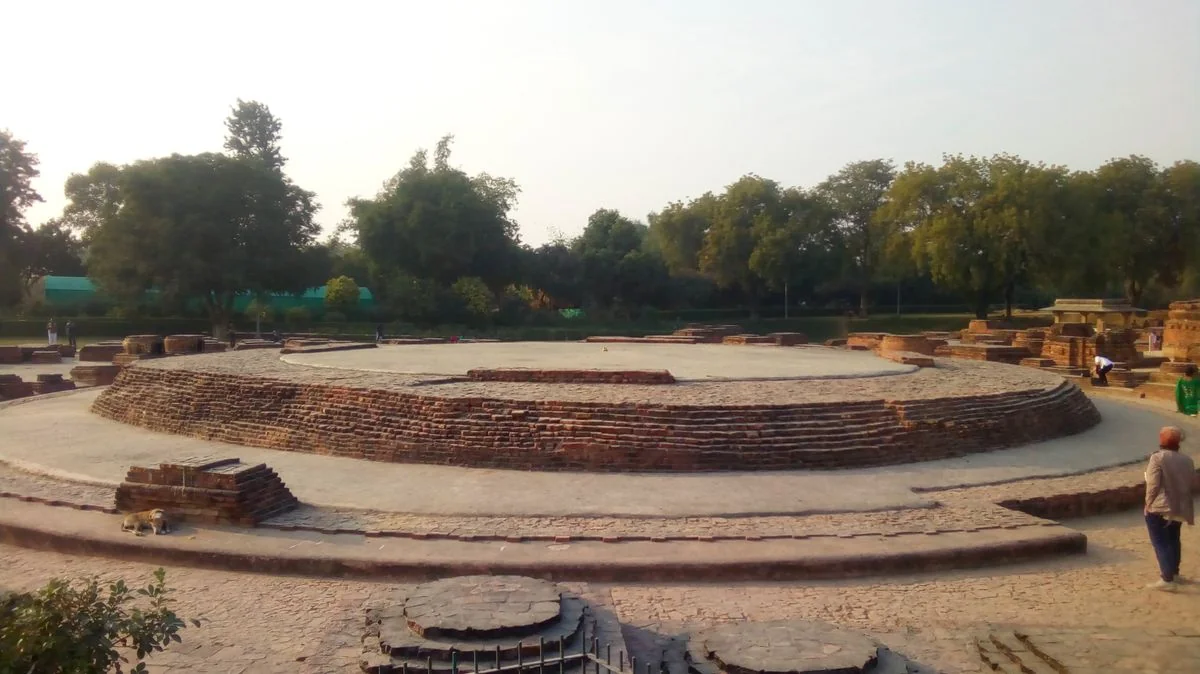
Varanasi and Sarnath work well together when they are allowed different rhythms. The Old City asks for patience with lanes, queues and ritual schedules. Sarnath rewards a defined half-day with time for outdoor remains and the museum. Trying to give both the same hurried sightseeing pace makes the journey harder than it needs to be.
This itinerary assumes two usable days in the city, with a three-day option for a slower visit. Arrival procedures, hotel check-in and departure reporting are additional commitments. If your train reaches in the afternoon, that does not create a full first day simply because the date appears on the booking.
Set the fixed commitments before filling the gaps
Begin with anything that cannot move easily: a confirmed Kashi Vishwanath service, the museum's open day, a flight or train and any pre-booked evening service. Place those first. General walks, shopping and extra temples should fit around them rather than compete with reporting times.
The Sarnath museum's published closure is Friday. If it matters to you, put Sarnath on another day and reverse the two-day order if necessary. Check current notices before treating the published pattern as a complete guarantee of admission.
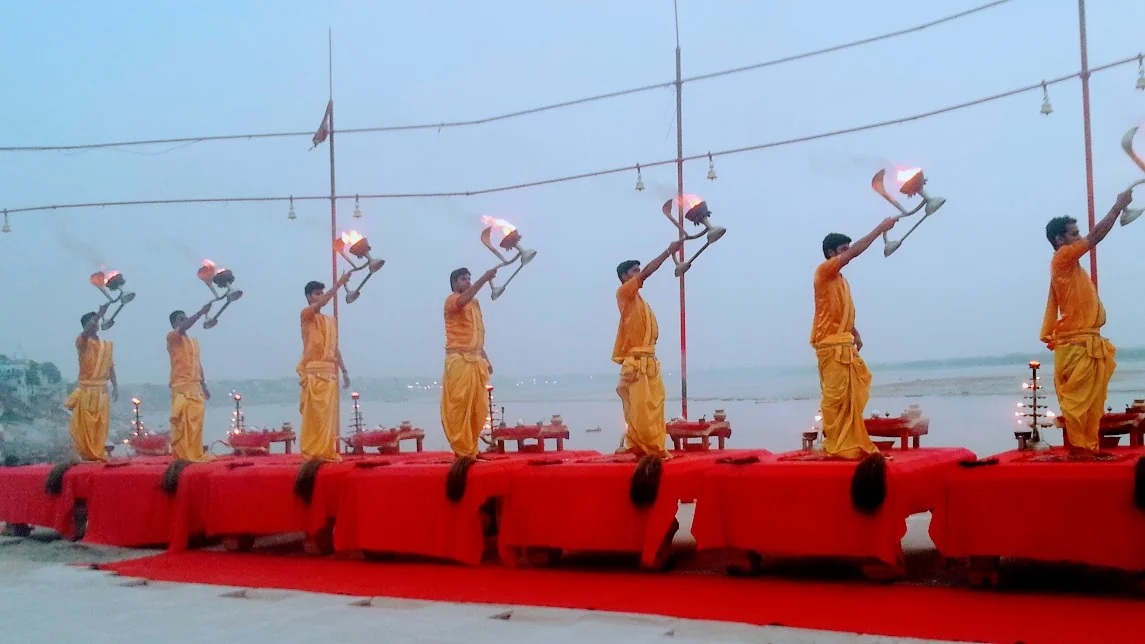
Choose one major riverfront ceremony. Dashashwamedh evening aarti and Assi's dawn programme are different experiences. You may enjoy both over a longer stay, but a very late evening followed by an extremely early alarm is not automatically a good family plan.
Keep your base in mind too. A room beside the ghats may need a walk before vehicle pickup. A road-access hotel may need a longer transfer to the river. Neither makes the itinerary impossible; they change how much approach time you add before each activity.
The two-day plan at a glance
The blocks below are an editorial framework, not timed bookings. Temple queues, current opening arrangements and your walking pace determine the detailed clock times.
| Day and block | Main plan | Keep flexible |
|---|---|---|
| Day one, morning | Kashi Vishwanath visit prepared around the chosen service | Nearby shrine visits after you have completed darshan |
| Day one, midday | Collect belongings, eat and rest | Shopping or a short lane exploration |
| Day one, late afternoon | Travel and walk towards the chosen aarti viewing point | Extra ghats that would delay arrival |
| Day one, evening | Watch Ganga Aarti and return calmly | A long meal or another temple queue afterwards |
| Day two, morning | Transfer to Sarnath and visit the archaeological enclosure | Order of museum and outdoor section according to weather |
| Day two, late morning to early afternoon | Museum on an open day and one active temple | Chaukhandi or another institution if time and energy permit |
| Day two, afternoon | Return, lunch and rest | A short local outing rather than another full circuit |
For history and individual sights, use the Sarnath attraction guide. This page concentrates on how to place the visits within the trip.
Day one morning: keep the temple visit coherent
Prepare belongings and documents before leaving. If you have booked a service, follow its reporting time and entrance instruction. General opening hours do not replace the particular requirements on a dated confirmation.
Do not promise companions a fixed finishing time for an uncertain queue. The useful plan is “temple first, then assess the next stop,” rather than “three temples completed by breakfast.” Our Vishwanath darshan guide explains the stages that can affect the visit.
After darshan and belongings collection, Annapurna may be a natural nearby addition. Add Vishalakshi only if everyone remains comfortable with more walking and another visit. A substantial breakfast or lunch and a rest are part of the itinerary, not evidence that the morning failed to include enough attractions.
If the main commitment is Mangala Aarti, plan the predawn pickup and sleep accordingly. Do not make a complete Assi dawn programme a fixed second appointment immediately afterwards. If the commitment is an evening temple aarti, reconsider the riverside plan because the relevant windows may overlap.
Day one evening: leave a separate approach for Ganga Aarti
Choose the ghat and viewing arrangement before the late afternoon. Public steps, a named private venue and a boat each create a different meeting point. Collect phones or other belongings from the temple before depending on them to contact an evening operator.
For an ordinary Dashashwamedh shore visit, about 60–90 minutes settled before the locally confirmed start is a useful planning target. Add the road journey, walk and toilet stop before that. A boat or venue may specify an earlier reporting time; follow the actual confirmation.
This is not the time to begin the full Assi-to-Dashashwamedh sightseeing walk unless it was planned early enough. Several hours on the ghats, stops and seasonal detours can absorb the entire afternoon. Choose a short nearby stretch if the ceremony is the fixed priority.
Afterwards, follow the departing flow, regroup at the agreed point and meet the driver where vehicles can actually reach. Keep dinner simple if the group is tired. A night in Varanasi can remain memorable without adding another demanding queue after the lamps have ended.
Day two: give Sarnath a real half-day
Arrange a reachable road pickup and have breakfast before departure. The Varanasi-to-Sarnath guide gives starting-area planning allowances and the questions to ask about waiting and return. Do not use one city-centre distance as the journey time from every hotel.
Reserve around three to four hours on site for the main enclosure, a selective museum visit and one active temple. In warm conditions, the outdoor part may suit the earlier block. In other conditions, adjust the order around the museum's confirmed admission and the group's comfort.
Keep the two kinds of experience distinct. The ruins and museum explain the archaeological landscape; Mulagandhakuti Vihara is an active modern temple with separate visitor instructions. Chaukhandi is another stop with its own approach, not a structure reached automatically inside the main enclosure.
Tell the driver your intended stop list and whether an additional visit remains optional. If the museum absorbs more time because you are interested, shorten the optional stop rather than cutting the part you came to enjoy. Return to Varanasi with room for food and a rest before considering any further outing.
For a departure day, check the connection margin first. A half-day excursion should not depend on arriving at the station or airport at the last possible minute. Move Sarnath earlier in the trip if traffic uncertainty would otherwise dominate the visit.
A three-day version for families and slower travel
With three usable days, spread the early starts. Day one can begin gently after arrival, with a short neighbourhood visit and the chosen evening aarti. Day two can focus on Vishwanath and one nearby shrine, leaving the afternoon for rest or an easy local walk.
Place Sarnath on day three if it is an open museum day and your departure allows a comfortable return. Otherwise, swap days two and three. The important feature is the separation of major commitments, not the numbering on the itinerary.
Assi's dawn programme can be included on the morning that best fits sleep and the next activity. If you stay for the full programme, allow breakfast and recovery before a longer road outing. Do not add an early start solely because another morning remains blank on the plan.
Families may prefer one temple instead of a whole circuit and a shorter archaeological loop at Sarnath. Children can look for a few specific features and have a break between outdoor remains and galleries. Older relatives may value an agreed pickup and fewer repeated stair climbs more than another named stop.
Keep one part of each day uncommitted. It can become a longer meal, an extra museum gallery, a return to a favourite view or simply sleep. That flexibility is what makes the three-day version feel different from a two-day itinerary stretched across another date.
One-day limits, weather changes and festival alternatives
If you have only one full day, choose the central purpose honestly. A Sarnath morning followed by a rest and evening Ganga Aarti can work with suitable transport and current openings. Adding a fixed Vishwanath ritual and several nearby temples makes that plan much less forgiving.
If Vishwanath is the main purpose, prioritise its service and reporting. Add aarti later only with a comfortable gap, and move Sarnath to another visit rather than promising all three in full. A shorter list can produce a richer day than spending every transfer worrying about the next queue.
On a Friday, a museum-inclusive Sarnath plan needs another date. If that cannot change, make a clearly different outing around confirmed open monuments and temples. Do not describe a drive past the museum as a substitute for the gallery visit.
In intense heat or heavy rain, reduce exposed walking and review the order. An indoor museum is useful only on an open day and still requires an outdoor approach. If high water closes riverfront connections, replace a long ghat walk with a shorter authorised visit or another activity.
During Dev Deepawali, major temple observances or other exceptional dates, current traffic and event instructions take priority over the sample plan. Boats and normal road meeting points may be unavailable. Reconfirm every paid service, allow more time and consider dropping the cross-city excursion on the busiest day.
Before each morning, check the next fixed commitment, the open venue and the return endpoint. That brief review keeps a useful itinerary responsive to the city. Varanasi and Sarnath do not need to be completed at speed; they need enough time for the experiences you have chosen to become more than names on a list.
Photograph sources and licences
Hero photograph: SpeakingArch / Wikimedia Commons; CC BY-SA 4.0. Source: https://commons.wikimedia.org/?curid=193706199. Licence: https://creativecommons.org/licenses/by-sa/4.0. Resized and converted to WebP; no generative editing.
Article photograph: Titodutta / Wikimedia Commons; CC0. Source: https://commons.wikimedia.org/?curid=69796122. Licence: http://creativecommons.org/publicdomain/zero/1.0/deed.en. Resized and converted to WebP; no generative editing.
BEFORE YOU GO
Frequently asked questions
How many days are useful for Varanasi and Sarnath?
Two usable days allow a focused temple-and-aarti day and a separate Sarnath half-day. Three days give more room for arrival, sleep, family breaks and an optional Assi morning. Count actual available hours rather than treating a late arrival date as a full sightseeing day.
Can I do Vishwanath, Sarnath and Ganga Aarti in one day?
It depends on service times, queues, transport and your group's stamina, but it leaves little margin. Choose the main purpose and keep something optional. A Sarnath morning plus evening aarti is a different commitment from adding a fixed temple ritual and multiple shrine visits.
Which day should I keep for Sarnath?
Choose a day when the museum is open if it is important to you; published information lists Friday as its weekly closure. Then check current notices and your departure commitments. Reverse the sample day order when that creates a more workable visit.
Should Assi morning aarti come immediately after Mangala Aarti?
Do not make both full experiences fixed back-to-back commitments. They involve separate locations and uncertain exit and travel time. A longer stay lets you place them on different mornings, with enough sleep and a normal break between major activities.
What should change during a major festival?
Recheck road access, pedestrian routes, venue reporting and river operations. Allow more time and reduce the number of commitments. A normal-day itinerary or paid booking cannot override an official restriction, and crossing the city may be less useful than staying with one main experience.
REFERENCE NOTES
Sources and practical updates
These primary sources support the factual background of this guide. For your travel dates, confirm the current arrangements with the responsible venue, property or service provider.
- Sarnath Museum visitor page: published hours and Friday closure; reconfirm current notices
- ASI Sarnath Circle: published admission references, visitor conduct and listed facilities
- Maha Bodhi Society of India: Sarnath centre and the 1931 vihara opening
- Subah-e-Banaras organisers: dawn programme and seasonal reference windows
- Ganga Seva Nidhi: prayer with light, gratitude to the Ganga and evening worship