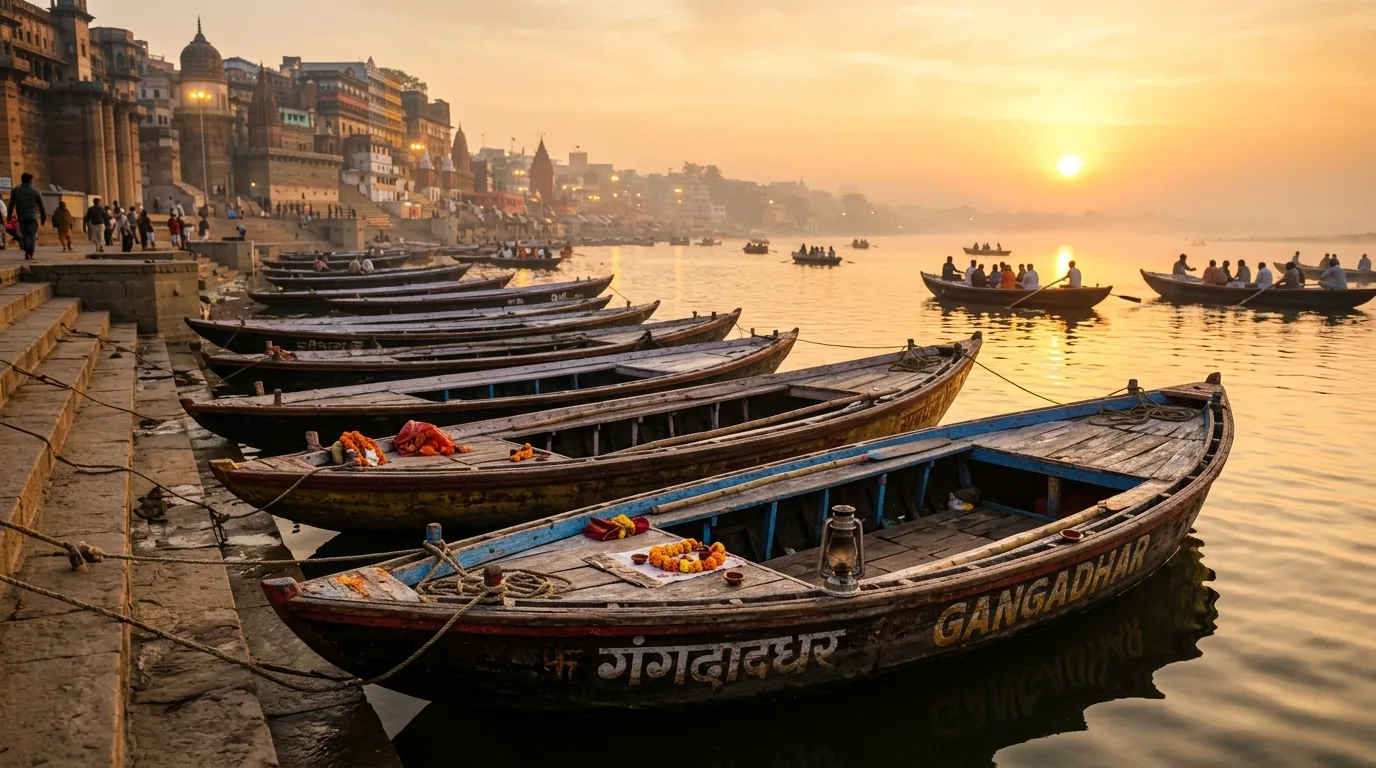
A useful Varanasi tour begins with the experience you want: a river morning, a temple visit, the Old City's lanes, Buddhist heritage or a closer look at music and craft. Once the purpose is clear, you can decide whether a guide, a vehicle or an independent walk adds value.
The routes below are editorial planning examples. Use them to shape your own visit and compare a provider's proposal with your needs. Our full itinerary guide adds the broader day-by-day context.
Compare the experience before comparing the quote
| Experience | A useful focus | What to clarify |
|---|---|---|
| Ghat or Old City walk | Lanes, buildings, riverfront life and local context | Walking distance, steps, pace and meeting point |
| Temple-centred outing | Worship, sacred geography and a few chosen shrines | Entry arrangements, queues and the distinction between guide service and official bookings |
| River outing | A permitted view of the ghats from the water | Conditions, operating window, boat, boarding and return point |
| Sarnath visit | Buddhist heritage and selected monuments or museum stops | Actual venues, current opening, transport and time on site |
| Food, music or craft outing | An explained introduction to a living tradition | The named stops, host or maker, group size and what participation includes |
| A trip beyond the city | A separate heritage, pilgrimage or nature destination | Driving demands, access conditions and the full return arrangement |
The district tourism directory provides a useful official reference for major sights, while the Ministry of Tourism destination guide introduces the city's different experiences. Your route still needs a realistic sequence, not simply a list of every place mentioned.
With one day, choose one main city cluster
Morning: a river or temple introduction
Choose the main priority first. A riverfront walk allows time to understand the setting; a temple-centred morning requires space for the actual entry and queue arrangements. Avoid putting both at the start of an already tight schedule if that leaves no room for a delay or breakfast.
Middle of the day: one purposeful stop and a break
Add a small market or craft visit, a museum you have confirmed is open, or a seated meal. Keep the area close enough to the morning route that the day does not become a series of transfers. The food guide can help you choose a well-placed pause.
Evening: one Aarti viewing plan
Decide where to watch before leaving the daytime stop. The viewing guide compares the main choices. Leave time for the approach and agree a return point. If the group has already had a long day, favour a manageable plan over adding another distant sight before the ceremony.
A one-day visit is most satisfying when it has a clear centre. Save Sarnath or a substantial out-of-city trip for another time when including it would make the day rushed.
With two days, give Sarnath its own outing
Day one: build the central-city day around a few chosen experiences and a comfortable evening. Use a dawn outing only if your arrival and rest schedule support it. Keep time between the temple precinct and the riverfront rather than treating them as back-to-back appointments.
Day two: organise a separate Sarnath visit. Choose the monuments, museum or other sites that interest you and check their individual opening arrangements. Tell the driver or guide which venues are in the plan; the destination name alone does not specify the full programme.
After returning, choose a quieter second experience: a craft appointment, a different neighbourhood or a meal without another ceremony deadline. The near-Varanasi guide puts Sarnath and other short outings in context, and the city sights guide helps you avoid repeating the same kind of stop.
When two days include a late arrival or early departure, count usable time rather than calendar dates. A trip advertised as two days may provide only one complete day for visits.
With a third day, add depth instead of more distance
A third day can make the visit feel substantially different without requiring a long drive. Choose an experience that was missing from the first two: a southern temple route, a properly arranged weaving visit, a music programme or time to revisit a stretch of the river at another hour.
For a southern-city day, compare the temples guide with your interest in the Assi Ghat programme. Check specific venue access before connecting the stops. For music and craft, use the culture guide to ask for the type of event or working process you actually want to see.
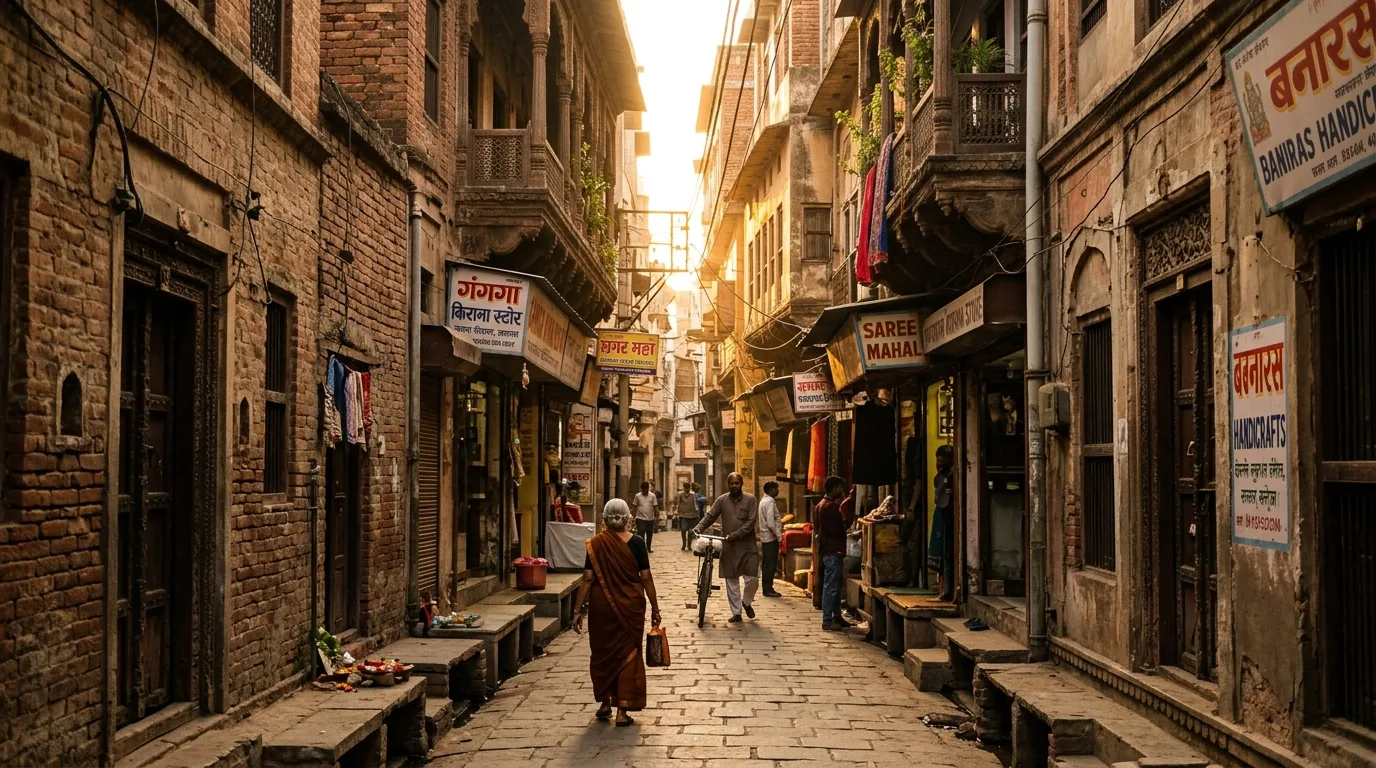
If you prefer a longer excursion, select it from the day-trip guide and treat it as that day's main purpose. Establish the road journey, current access and return conditions before adding further activities.
Decide where a guide adds value
Independent travel works well with a simple route
Choose a compact area, save the important locations and leave enough time to ask questions. This format gives you control over pace and pauses. It suits a visitor who is comfortable navigating the route and making separate arrangements for entries and transport where needed.
A guide can add explanation and coordination
Ask what the guide will explain, which language the visit uses and whether the route fits your group's interests. Establish the person's identity, experience and the provider responsible for the booking. A clear, specific conversation about the actual day is more useful than a broad claim that every attraction can be covered.
For a craft or food outing, ask the provider to describe the host and stops. A workshop demonstration, a showroom visit and a maker appointment are different products. Similarly, ask how time at shops affects the route and whether you can opt out of a stop that does not interest you.
Read the inclusions as carefully as the route
Temple arrangements: check the Shri Kashi Vishwanath official portal for the current booking process. Ask a provider to distinguish their guide or transport service from any actual temple-issued booking. Keep the confirmation for each service clear.
- Time: the start, finish and the amount of travel included in the stated duration.
- People: private or shared arrangements, group size and guide language.
- Transport: vehicle type, pickup and drop-off, waiting and any separately arranged last-mile help.
- Boat: the proposed outing, operating conditions, boarding and return points, and the alternative if it cannot run.
- Expenses: entry fees, meals, tastings, taxes and other charges included or excluded.
- Changes: cancellation, rescheduling and the contact responsible if the plan changes.
Ask for a final total based on the group and route you have agreed. Comparing the same services helps establish value; a short headline price tells you little about the parts you will still need to arrange.
Adapt the route around the people taking it
Tell the provider about walking limits, steps, seating needs, luggage and the ages of children in the group. Ask for the physical route, not only a list of attractions. A private vehicle cannot remove every lane or staircase from a riverfront visit.
Build in a place to sit, a meal that suits the group and an easy way to shorten the day. For older travellers or a family, one well-explained experience followed by a proper break can be a better choice than covering several places without time to recover between them.
Choose a hotel whose approach and location support the plan, using the stay-area comparison. Confirm the pickup and return through the transport checklist, and keep the accommodation contact available throughout the outing.
When the route, pace and inclusions are clear, a tour becomes easier to judge. You can decide what to keep, what to leave for another day and where a little more time would make the experience worthwhile.
BEFORE YOU GO
Frequently asked questions
How many days do I need for a Varanasi tour?
One day can introduce a single city cluster and an evening Aarti. Two days allow a separate Sarnath outing, and a third can add crafts, music or another quieter area. These are editorial planning frameworks rather than fixed tour products. Choose the duration around your arrival, mobility, interests and available rest time.
Can I combine Kashi Vishwanath darshan and Ganga Aarti?
Yes, but keep a generous buffer between them. Temple queues, security procedures and the walk to your chosen viewing area can take longer than expected. Check temple arrangements through the official portal and confirm the Aarti timing locally. Avoid treating a tightly packed sales itinerary as a guaranteed sequence of timed entries.
Does a tour package include an official temple pass?
Only the actual written inclusions and the temple's official process can establish what is arranged. Ask who issues any pass, what service it provides and whether it is separately chargeable. A guide fee, transport booking or a claim of priority access should not be treated as an official temple entitlement.
Should I book a boat in advance?
You can arrange an intended outing, but operation still depends on current permissions and river conditions. Ask how a cancellation or restriction is handled, where you board and return, and whether life jackets are available for everyone. Keep a land-based alternative in the plan rather than relying on the boat as the only way to see the riverfront.
What should a written tour quote include?
It should identify the route, duration, pickup and drop-off, group size, guide language, vehicle, walking demands, and any boat arrangement. It should also state which entry fees, meals, taxes and transfers are included, together with cancellation terms and the provider's contact details. Compare like-for-like services before deciding on value.
Is a private tour automatically suitable for older travellers?
No. Private describes the group arrangement, not the physical route. Discuss stairs, uneven surfaces, walking stretches, vehicle access and breaks before booking. Ask the provider to adapt the actual sequence and state where the route cannot be made step-free. Choose a smaller number of manageable experiences when that produces a more comfortable day.
REFERENCE NOTES
Sources and practical updates
These primary sources support the factual background of this guide. For your travel dates, confirm the current arrangements with the responsible venue, property or service provider.
- Varanasi district administration: tourist places
- Ministry of Tourism: Varanasi destination and arrival guide
- Shri Kashi Vishwanath Temple: official visitor and booking portal