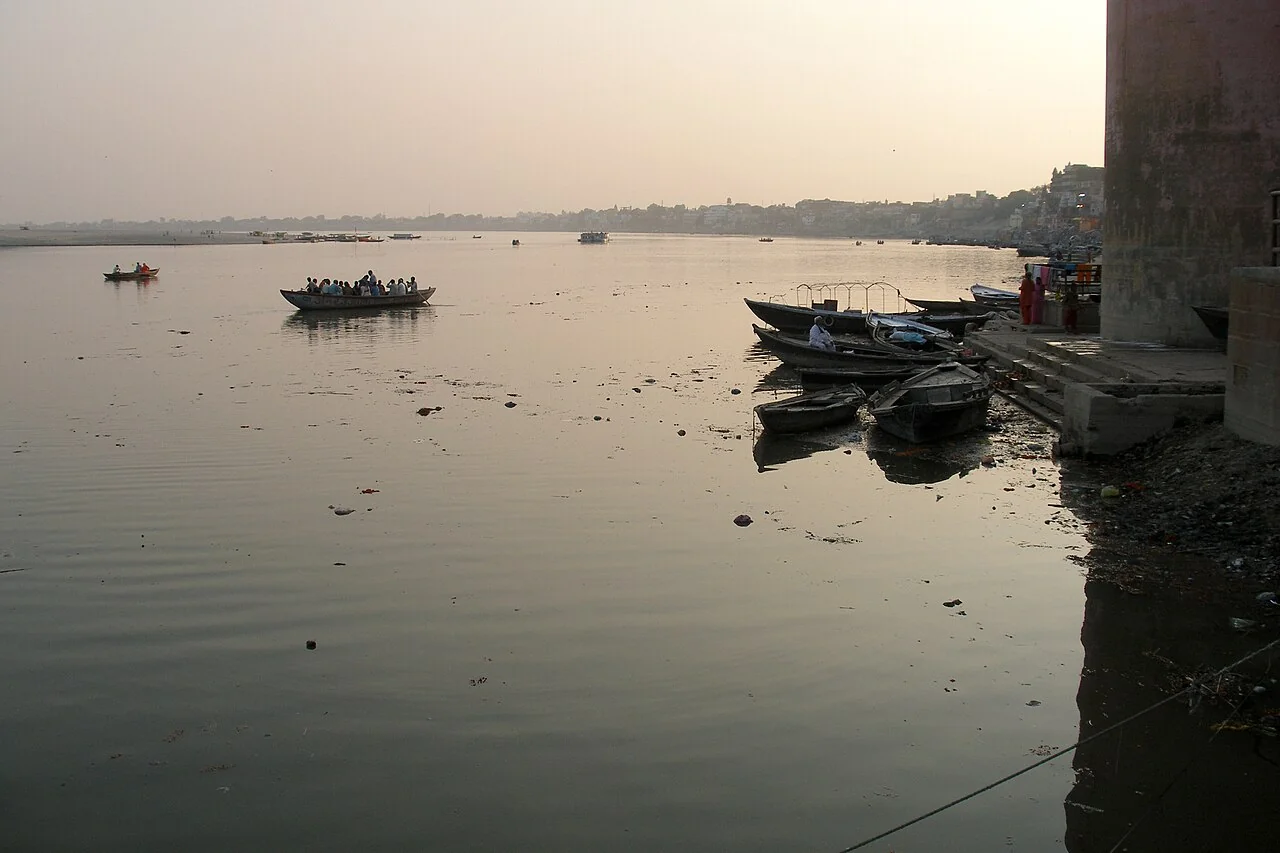
For a first visit built around walking, temple visits and time beside the Ganga, November to February is a useful starting shortlist. The weather is generally cooler than in summer, although winter introduces its own trade-off: cold predawn air, mist and possible travel disruption. October and March can also work well when you plan around warmer afternoons.
There is no month that guarantees a quiet Vishwanath queue, clear sunrise, unrestricted boating and low room prices together. Choose the season for the trip you actually want, then check the weather, festival calendar and local access near departure. This guide explains the typical pattern rather than predicting conditions for a particular date.
Start with your main reason for coming
If long riverfront walks and outdoor Sarnath visits are central, favour the cooler part of the year. If a particular religious observance is the purpose, its date comes first and the itinerary must adapt to the season and crowds around it.
Photographers may value changing light and atmosphere, but fog can obscure the view they expected. Families may prefer comfortable afternoons and fewer early alarms. Visitors with limited walking stamina may care more about a manageable approach and rest schedule than a festival's visual scale.
The India Meteorological Department's published 1981–2010 Varanasi table illustrates the seasonal contrast: mean daily temperatures run roughly from 9–23°C in January to 26–40°C in May. Those are historical monthly averages, not the range promised on your travel dates. Conditions can be substantially hotter, colder or wetter on individual days.
Use climate to shortlist a period, then use current forecasts for packing and daily decisions. A long-term table cannot establish tomorrow's river level, visibility or boat permission.
Month-by-month planning guide
The descriptions below summarise the usual seasonal pattern. Festival dates vary, and transitions between heat, rain and cooler weather do not occur neatly on the first day of a month.
| Month | Typical weather consideration | How to shape the visit |
|---|---|---|
| January | Cool days, cold dawns and frequent winter mist | Carry layers; leave flexibility around visibility and travel delays |
| February | Generally comfortable outdoor weather, with cool mornings | A useful walking-and-Sarnath month; check religious-event dates |
| March | Increasing warmth and stronger afternoon sun | Start walks earlier and plan around any Holi-related arrangements |
| April | Hotter days and exposed stone surfaces | Keep outdoor visits short in the warmest hours and preserve a rest block |
| May | One of the hottest parts of the year | Give heat management priority over completing a long sightseeing list |
| June | Heat with a transition towards monsoon conditions | Plan for both strong heat and possible rain; avoid assuming a fixed onset date |
| July | A major rainy-season month | Check ghat connections, river operations and pilgrimage arrangements |
| August | Humid, rainy conditions and possible high water | Use flexible routes and keep alternatives to long lower-ghat walks |
| September | Monsoon influence can continue | Check actual water and path conditions rather than assuming the riverfront has reopened |
| October | Transition towards drier weather, with warm afternoons possible | Confirm post-rain cleanup and festival access before planning a full ghat circuit |
| November | Cooler conditions and important festival possibilities | Check the actual calendar and book any essential services with clear terms |
| December | Pleasant daytime potential, colder mornings and mist | Pack for the dawn visit and allow travel flexibility |
For most travellers, the table is more useful than a single “best month” label. It shows what each season asks you to adjust.
Winter: comfortable walking, but plan for the dawn
The cooler months make extended outdoor visits easier for many travellers. A morning at Sarnath, a modest temple circuit and an evening by the river can fit a comfortable day when you leave breaks between them.
Predawn is a different environment from midday. Carry a layer for a boat ride or the Assi morning programme and consider how long you will be seated before the sun warms the area. Clothing that is comfortable at lunch may be inadequate beside the river several hours earlier.
Mist can be part of the atmosphere and can also hide the far bank or soften the sunrise. Do not book an experience on the promise that winter always produces a clear view. Ask the operator how visibility or restrictions affect the plan, especially if boating is your main purpose.
Keep transport connections flexible where possible. A morning arrival delayed by weather can reduce the usable first day. Instead of preserving every stop by hurrying, keep arrival day light and place the essential temple or museum visit on a fuller day.
Summer: shorten the exposed parts of the day
April to June requires a different pace. Stone steps, open archaeological paths and road approaches can make the effort feel greater than the distance on a map suggests. An early start helps with scheduling, but it does not remove the need for rest later.
Choose one main outdoor commitment for the cooler hours, then keep the warmest part of the day for a suitable indoor visit or a hotel break. The Sarnath museum can form part of that plan on an open day, but its Friday closure and the outdoor journey still matter.
Carry drinking water, practical sun protection and clothing suited to the actual forecast and your needs. Keep children and older companions involved in deciding the pace. A shorter circuit with a clear return is preferable to discovering halfway along the ghats that the group has had enough.
Avoid assuming summer is automatically a bargain period. Specific religious dates, service availability and accommodation demand can change the price. Request a quote for your dates and compare the complete plan, including transport and cancellation terms, rather than choosing from a generic off-season claim.
Monsoon and the months around high water
Rain changes more than whether you carry an umbrella. The usable riverfront level can change, lower connections may become submerged and a familiar stair may lead towards a closed area. Conditions upstream also affect the Ganga, so the absence of rain above your hotel does not prove normal access.
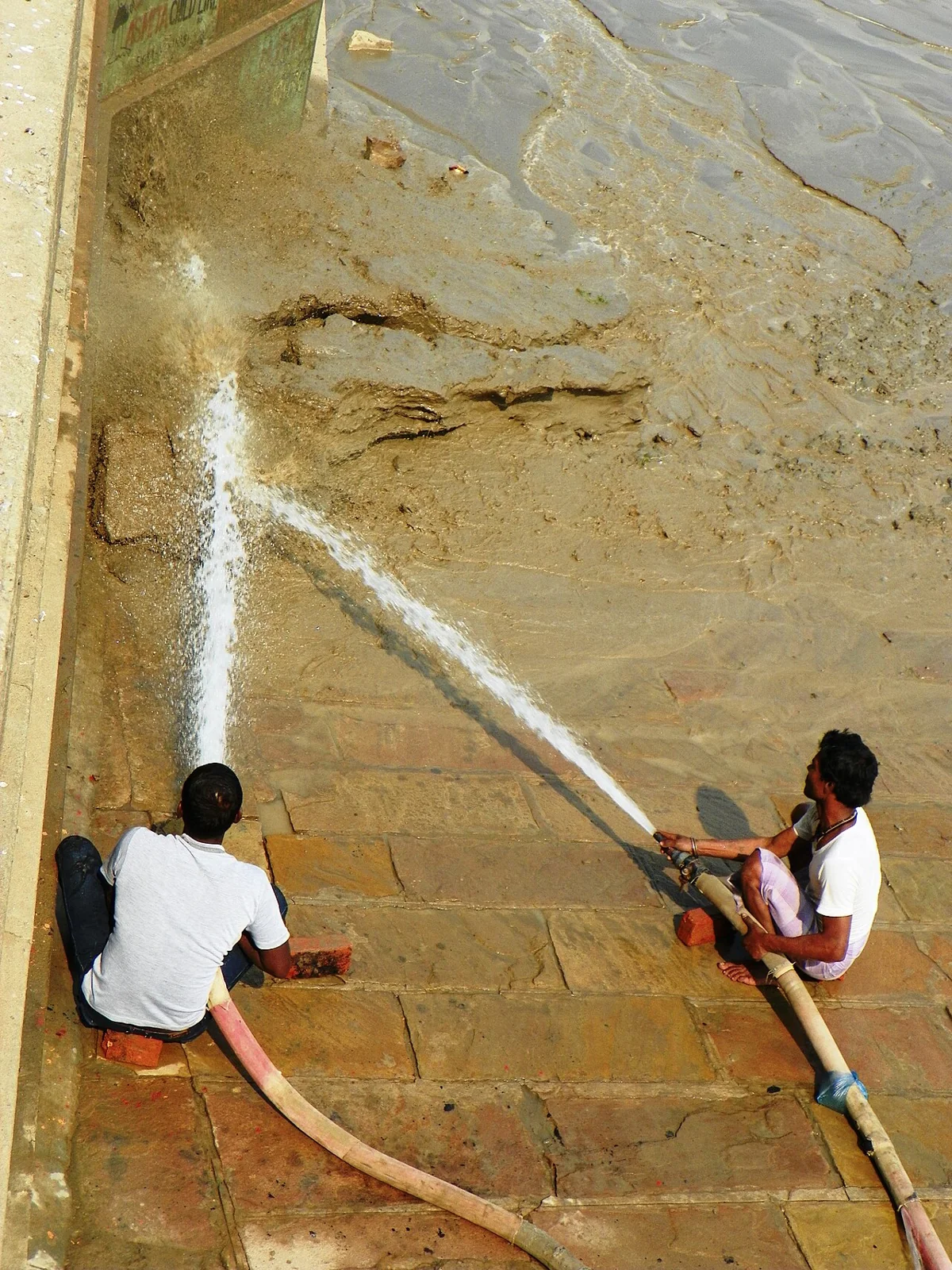
After the water recedes, silt, algae, cleaning and repair work may continue. An exposed terrace is not automatically ready for a long walk. The archive cleaning photograph on this page illustrates that practical aftermath; it does not report the present condition of a particular ghat.
Check with identified local staff before starting the Assi-to-Dashashwamedh walk. Use established open stairs and ask for an inland route where needed. Do not wade across a closed section or balance along a wet edge to preserve the riverside line.
Boat operations depend on current permissions and conditions. A confirmed booking should explain disruption and cancellation arrangements, but it cannot make a suspended operation available. Keep a shore-based alternative and accept that a ceremony's usable viewing location may also change.
Festivals: choose the purpose before the crowd
Dev Deepawali, Maha Shivratri, Holi, Navratri and the Sawan pilgrimage period can each create a different kind of visit. Their religious calendars and local arrangements should be checked for the actual year. A festival mentioned beside a month in a travel article is not a booking date.
If attending a particular observance is the aim, plan around it deliberately. Confirm accommodation, reporting instructions, road access and the return journey. An ordinary-evening arrival estimate is not enough evidence for a major event plan.
If the purpose is a relaxed first visit, consider surrounding dates rather than assuming the largest gathering is necessary to understand Varanasi. The city has daily worship and active neighbourhood life outside exceptional events. You can choose a quieter personal pace without treating the trip as incomplete.
For Dev Deepawali specifically, read the event guide and verify current instructions. For temple ceremonies, use the confirmed booking and aarti timings guide. Public viewing, private venue access and temple admission remain different arrangements even when sold together in a seasonal package.
Match the season to the itinerary, then check the week ahead
For a walking-focused first visit, start with the cooler months and allow at least two usable days if you want both central Kashi and Sarnath. The combined itinerary separates temple reporting, museum time and evening aarti rather than forcing them into one tightly packed day.
For a summer trip, reduce the total outdoor list and use mornings deliberately. For a monsoon trip, give the itinerary several interchangeable parts and avoid prepaying for a route whose operation has not been confirmed. For a festival trip, let the specific event be the main commitment and reduce cross-city travel around it.
As departure approaches, check the current forecast, significant travel updates, venue notices and riverfront instructions. If air quality or another environmental condition affects a companion's plans, use current official information rather than inferring it from the season alone.
Pack for the activities as well as the month: secure walking shoes, clothes suitable for worship and practical protection for the expected weather. Leave time to wash, eat and rest between demanding visits. Those ordinary needs determine how much of the city you can enjoy attentively.
The best time is therefore a combination of season and intention. Choose weather you can manage, an event you truly want to attend and an itinerary with room to adapt. That approach will serve you better than expecting one calendar month to deliver every ideal condition at once.
Photograph sources and licences
Hero photograph: Vyacheslav Argenberg / Wikimedia Commons; CC BY 4.0. Source: https://commons.wikimedia.org/?curid=106203658. Licence: https://creativecommons.org/licenses/by/4.0. Resized and converted to WebP; no generative editing.
Article photograph: juggadery / Wikimedia Commons; CC BY-SA 2.0. Source: https://commons.wikimedia.org/?curid=75110040. Licence: https://creativecommons.org/licenses/by-sa/2.0. Resized and converted to WebP; no generative editing.
BEFORE YOU GO
Frequently asked questions
Which months are best for a first Varanasi visit?
November to February is a useful comfort shortlist for many walking-focused visitors, with cold mornings and possible mist to consider. October and March can also suit a trip planned around warmer afternoons. Check your dates, festival calendar and current forecast before finalising.
Is January too cold for morning aarti or a boat ride?
It can feel cold before sunrise, especially while seated beside or on the river. Plan suitable layers and check current visibility and operating conditions. The daytime climate average does not describe how the early visit will feel to every traveller.
Can I visit during the monsoon?
Yes, with a flexible plan and current local checks. Lower-ghat paths and boating may be restricted, while exposed steps can remain slippery after water recedes. Choose open authorised routes and keep alternatives instead of assuming every dry-season activity will be available.
Are festival dates the best choice for everyone?
No. They suit visitors whose main purpose is that particular observance and who can plan for its demands. A relaxed first visit may work better on other dates. Confirm the actual annual calendar, traffic arrangements and service terms rather than choosing solely from photographs.
Does the weather table predict my travel dates?
No. It describes typical seasonal patterns supported by historical climate information. Daily weather, visibility, river levels and boat permissions require current checks. Use the table to shortlist a period, then refine packing and activities with forecasts and responsible local instructions.
REFERENCE NOTES
Sources and practical updates
These primary sources support the factual background of this guide. For your travel dates, confirm the current arrangements with the responsible venue, property or service provider.
- India Meteorological Department: Varanasi 1981–2010 climatological table, not a travel-date forecast
- Ministry of Tourism, Incredible India: Varanasi visitor and seasonal context
- Subah-e-Banaras organisers: dawn programme and seasonal reference windows
- Ganga Seva Nidhi: prayer with light, gratitude to the Ganga and evening worship