Sarnath makes a satisfying change of pace from the riverfront when you give it a clear block of time. The mistake is to call it a quick excursion, add every temple on the way and return to Varanasi with just enough time to rush towards evening aarti.
Think of it instead as a half-day built around a few choices: whether the museum is essential, how much outdoor walking your group wants and which active temple you would like to visit. This guide covers those practical decisions. For monument descriptions and historical context, read the separate Sarnath attraction guide; for starting points and transport, use Varanasi to Sarnath.
Decide how much of the day belongs to Sarnath
For a first visit that includes the archaeological enclosure, museum and modern Mulagandhakuti Vihara, reserve roughly three to four hours on site. Add the road journey in both directions. A relaxed hotel-to-hotel half-day may therefore occupy five to six hours, depending on your base and traffic.
A shorter two-hour on-site visit can work if you choose a limited purpose. It will not provide the same time for several monuments, a full museum visit, a meal and multiple active temples. Decide what to omit before departure rather than discovering the limitation at the last entrance.
| Time available on site | A sensible focus | What to leave flexible |
|---|---|---|
| Around two hours | Archaeological enclosure and a selective museum visit on an open day | Chaukhandi, extra temples and a long meal |
| Around three to four hours | Core enclosure, museum and one active temple | Additional institutions and shopping |
| Five hours or more | Core sights, Chaukhandi, breaks and a personally chosen extra stop | Avoid filling every spare minute merely because time remains |
| A museum-priority visit | Arrange the day around confirmed museum opening | Outdoor order can change for weather or comfort |
These are editorial time budgets rather than official tour lengths. Your group's walking pace and interests should determine how you use them.
Check the date before arranging the vehicle
The museum's published weekly closure is Friday. If seeing the Lion Capital and Buddhist sculpture is central to your visit, choose another day unless a current special notice establishes an exception. Do not rely on a driver's broad statement that “Sarnath is open” to answer a museum-specific question.
Published museum reference hours are 9:00 AM–5:00 PM, while outdoor monument information uses sunrise to sunset. Last admission, special closures and individual temple hours require a current check. The different opening patterns are a reason to plan the components separately.
In warm weather, consider the exposed archaeological paths when choosing your departure. Early outdoor time followed by the museum can be practical. In winter, mist or a delayed morning may make another order preferable, provided it still fits opening arrangements.
Pilgrimage observances can change the atmosphere and visiting needs. If a particular temple or ceremony is the purpose of the trip, contact that institution about the date, visitor arrangements and any restricted worship periods. A general destination guide cannot establish admission to a specific event.
Choose an order that fits the entrances, not just the map
The museum, main archaeological enclosure, Chaukhandi and active temples are distinct destinations. Some are close within the central cluster; others need an additional road movement. Avoid telling the driver only “Sarnath tour” and assuming both of you mean the same list.
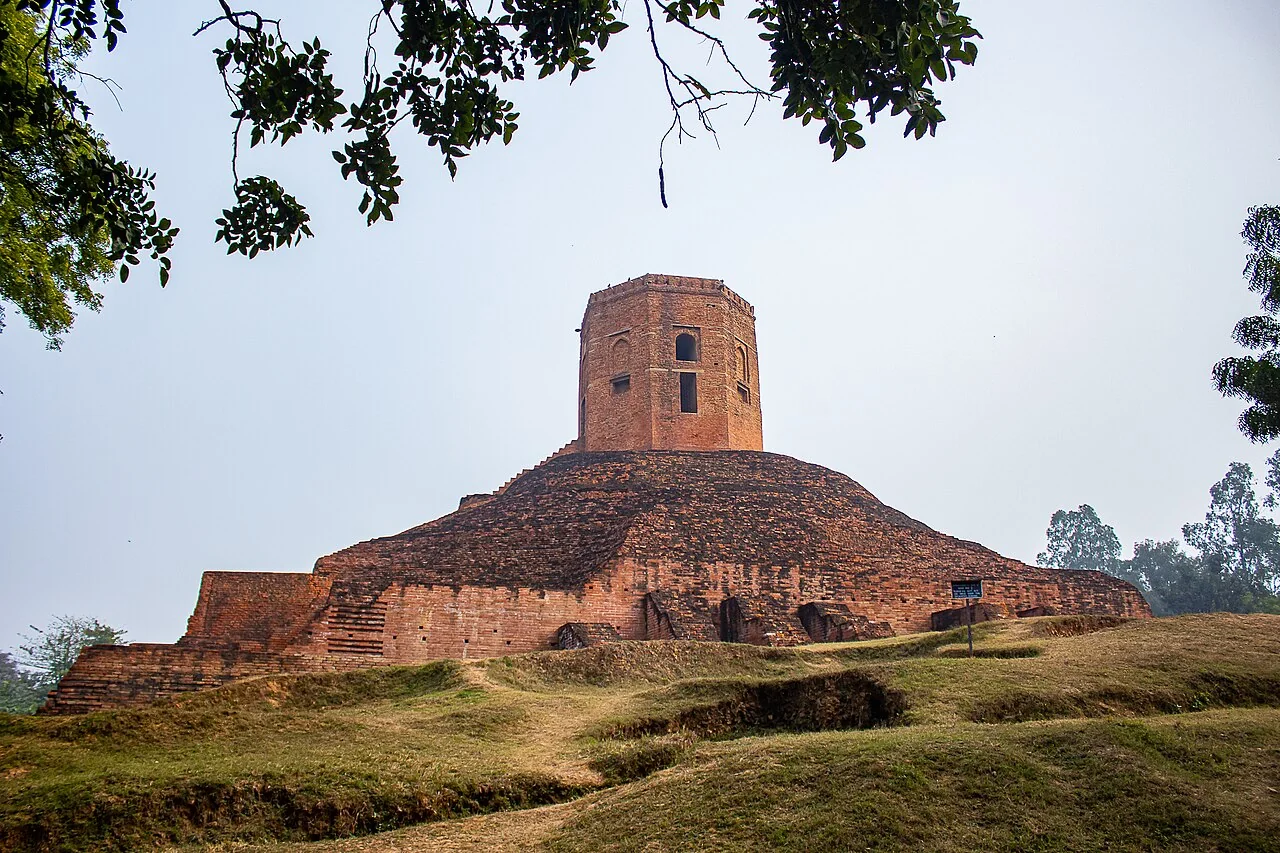
For a standard visit, begin with the outdoor enclosure, continue to the museum on an open day and finish at one active temple. Ask the driver whether Chaukhandi fits better on the approach or departure under the current route. It is a separate stop rather than a place you automatically pass through inside the enclosure.
Tell companions the priorities. If the museum matters most, protect that time before adding another temple. If the group mainly wants quiet worship, allow the temple visit to be the main commitment and make the ruins a shorter optional part.
A good route also has breaks. Finish a substantial walking section, find an appropriate place to pause and reassess the rest. You do not need to decide the exact minute for every photograph. The route should support your interest, not make you hurry past the features you came to understand.
Tickets, guides, bags and photography
Budget for the museum and monuments as separate admissions unless a current official ticket explicitly states otherwise. The ASI Sarnath Circle publishes category- and payment-based reference rates for monument admission and a ₹5 museum reference. Check the applicable site, eligibility, payment method and current amount at the responsible official channel.
Do not assume a driver's sightseeing fare includes entry, a guide, parking or waiting beyond a stated duration. Ask for those inclusions separately. If hiring a guide, agree the meeting place, language, route, duration and total charge before beginning. Ask for explanations suited to your interests rather than an uninterrupted recital of dates.
Travel with a compact bag. Carry what you need for the outdoor portion and check the current museum rules for phones, cameras, larger bags and storage. A photograph permitted beside a monument does not establish gallery permission, and a ticket does not authorise professional equipment by default.
At active temples, follow their separate footwear and photography rules. Keep voices low, allow worshippers to pass and ask before close portraits. Sarnath is a destination for religious visits as well as sightseeing, so the quiet of a building should not be mistaken for absence of worship.
Toilets, water, meals and family needs
The ASI Circle's visitor information lists drinking water and toilets among facilities. Ask staff where the currently usable facilities are and use them before a long outdoor circuit. Their presence on a list does not establish the precise accessibility, opening or condition your family may need that day.
Carry drinking water for the journey and exposed walking. Choose a meal stop that fits your dietary needs and actual route, rather than accepting an unplanned shopping-and-lunch diversion as a compulsory part of a tour. If your driver is waiting, confirm whether the meal stop counts within the agreed duration.
Children often respond better to a few clear things to look for than a long list of monuments: a large stupa, the lions in the museum, a carved pattern or the difference between ruins and an active temple. Give them a break after the main outdoor section and keep the final extra stop optional.
Older visitors may prefer shorter loops and vehicle transfers between separate sites. Ask about the current path, entrance steps and available places to sit. Do not promise a continuous wheelchair-accessible circuit based only on the existence of a paved entrance. Establish the specific assistance needed before departure, especially for boarding the vehicle and crossing between components.
A sample half-day and two useful alternatives
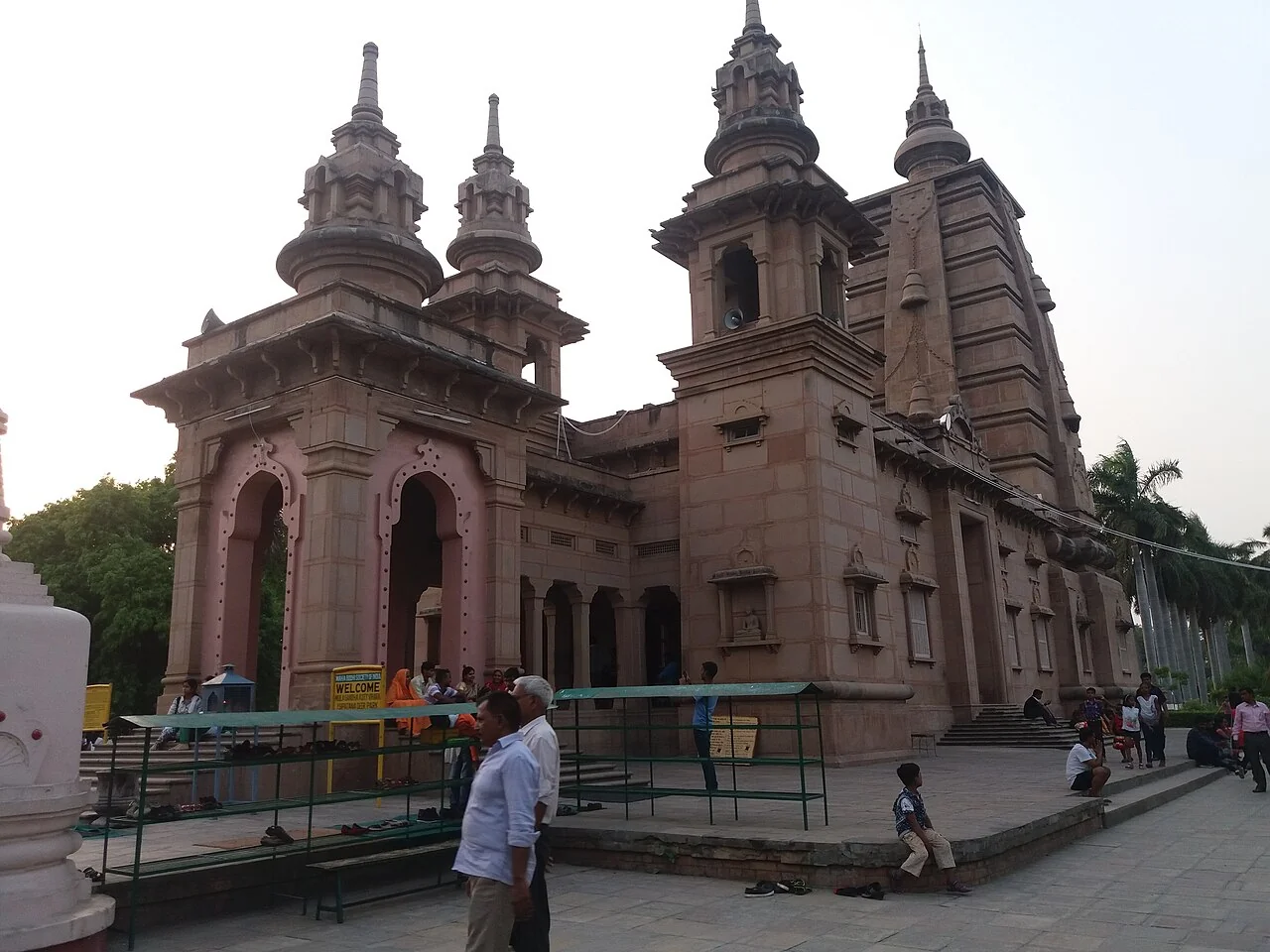
For illustration, a group staying in Varanasi might leave after breakfast, spend the first part of the visit outdoors, continue to the museum, take a short break and finish with Mulagandhakuti Vihara. Add Chaukhandi only when the journey and remaining energy permit. The precise clock times depend on your starting point and the day's openings.
If the museum is closed, do not disguise the change as the same itinerary. Visit the archaeological enclosure and a confirmed open temple, with Chaukhandi as another possible stop. If the museum was the reason for travelling, move the Sarnath visit to an open day instead.
For hot or wet weather, reduce the outdoor loop and keep an indoor option only where it is actually open and suitable. Rain can leave paths slippery, while a museum visit still involves transport, entrances and some movement outdoors. Build a practical change of order rather than assuming a whole destination becomes weather-proof.
Our Varanasi–Sarnath itinerary shows how to place this half-day within a longer stay. It keeps temple reporting and evening aarti in their own time blocks, so a delayed museum visit does not force a rushed return through the city.
Return planning and when to keep the rest of the day light
Agree the collection point before leaving the vehicle. The last temple or museum exit may not be where your driver can wait, and a vague “call me afterwards” can become awkward if the phone loses signal or power. Save the vehicle and contact details with your accommodation address.
If using a one-way service, arrange how you will return before becoming absorbed in the final visit. Check whether another cab or auto can meet at the chosen point and whether you need to walk to a main road. Do not assume a return vehicle will be waiting simply because you saw several on arrival.
Leave a rest period after reaching Varanasi. A half-day of transport, outdoor paths, galleries and shoes-off temple visits can be tiring even when the map distance looks modest. Families may prefer lunch and a hotel break before deciding on another outing.
If evening aarti is fixed, protect the time needed to reach its viewing or reporting point separately. An early Sarnath return creates options; a late one should trigger a simpler evening rather than hurried driving or walking. This is where a realistic plan earns its value.
Sarnath does not need an elaborate checklist to feel complete. A few well-understood sights, enough time to look and a comfortable return make a stronger visit than collecting entrances without room to absorb what you have seen.
Photograph sources and licences
Hero photograph: Abhishekraj272 / Wikimedia Commons; CC BY-SA 4.0. Source: https://commons.wikimedia.org/?curid=59624786. Licence: https://creativecommons.org/licenses/by-sa/4.0. Resized and converted to WebP; no generative editing.
Article photograph: MaximusPrasad / Wikimedia Commons; CC0. Source: https://commons.wikimedia.org/?curid=152542316. Licence: http://creativecommons.org/publicdomain/zero/1.0/deed.en. Resized and converted to WebP; no generative editing.
BEFORE YOU GO
Frequently asked questions
How many hours should I keep for Sarnath?
Around three to four hours on site is a useful first-visit budget for the main archaeological enclosure, a selective museum visit and one active temple. Add road travel separately. A shorter visit is possible when you deliberately reduce the number of stops.
Should I visit Sarnath on a Friday?
The museum's published weekly closure is Friday. If it is essential to your visit, choose an open day and confirm current notices. You may still plan other confirmed open sights on Friday, but that is a different itinerary rather than an equivalent museum-inclusive visit.
Does one ticket cover all Sarnath attractions?
Do not assume so. The museum, archaeological enclosure, Chaukhandi and individual institutions have separate admission questions. Check the current official ticket's scope and applicable visitor category. Driver, guide, parking and meal charges also need to be clarified independently.
Are toilets and drinking water available?
The ASI Circle lists these facilities in its visitor information. Ask staff for the currently usable locations and check any accessibility needs directly. Carry water for the journey and use a toilet before a longer circuit, especially when travelling with children or older relatives.
Can I combine Sarnath with evening Ganga Aarti?
Yes, when Sarnath is placed early enough to leave travel, a rest and the aarti approach as separate blocks. Do not make a late return depend on perfect traffic. If the excursion runs long, shorten the evening plan or choose another ceremony date.
REFERENCE NOTES
Sources and practical updates
These primary sources support the factual background of this guide. For your travel dates, confirm the current arrangements with the responsible venue, property or service provider.
- Varanasi district administration: Sarnath location and Buddhist sacred association
- ASI Sarnath Circle: published admission references, visitor conduct and listed facilities
- Sarnath Museum visitor page: published hours and Friday closure; reconfirm current notices
- Museum of India directory: Sarnath Museum, displays and visiting reference
- Maha Bodhi Society of India: Sarnath centre and the 1931 vihara opening