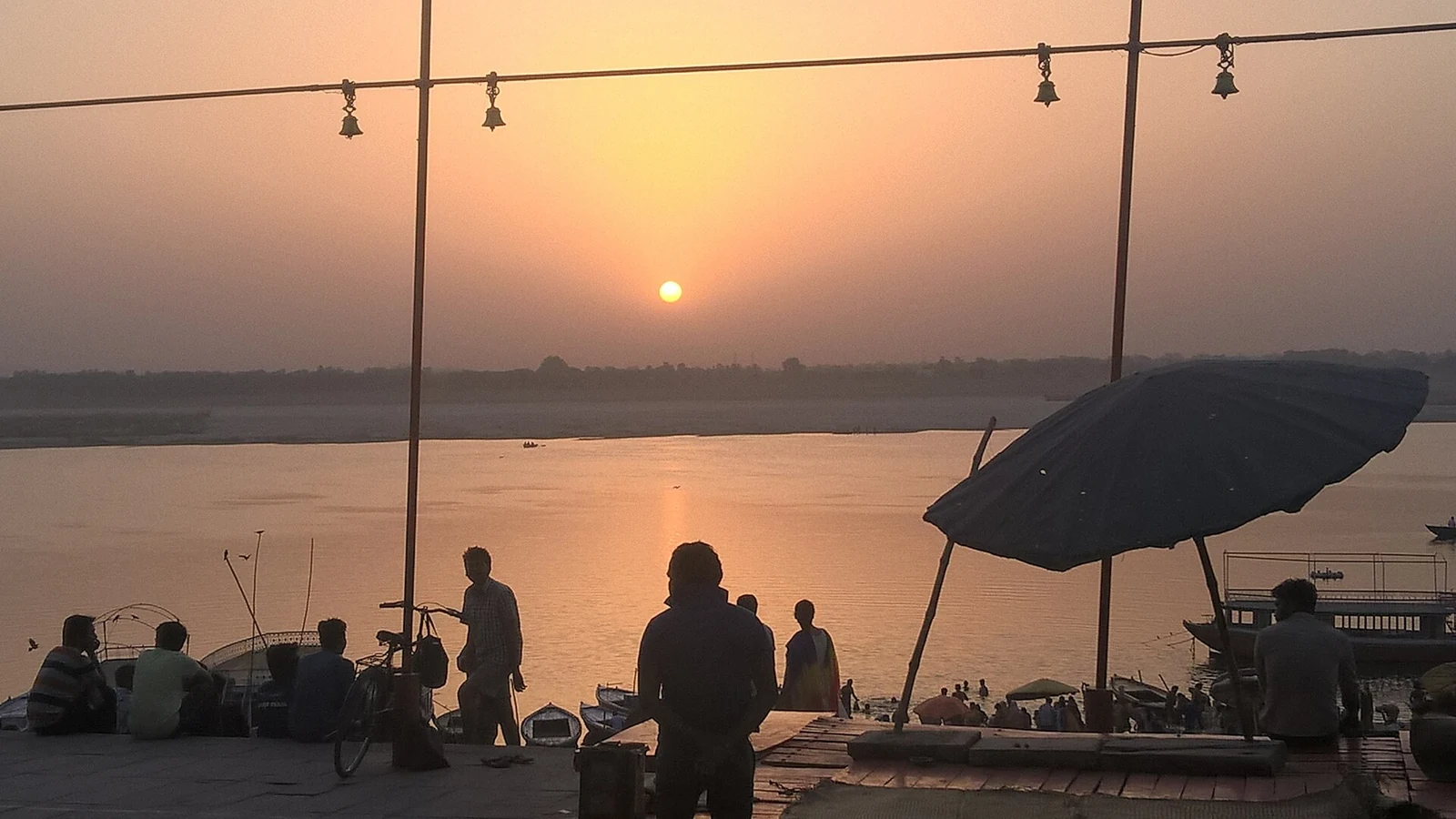
Some of Varanasi's most memorable moments happen between the attractions: the first colour on the Ganga, a staircase becoming a neighbourhood meeting place, or a shopkeeper carefully unfolding a length of silk. You can spend a rewarding day here without buying an admission ticket. The trick is to choose public places for what they offer, rather than turn a budget trip into a race past paid entrances. This guide puts the riverfront and the old streets first, while separating genuinely ticket-free experiences from the transport, meals and services you may still need to purchase.
What free sightseeing actually includes
A public ghat visit means looking, walking and pausing in areas currently open to pedestrians. It does not automatically include a boat, a reserved seat, a guided explanation or access through a private building. Those are separate arrangements. If someone offers a service, ask what it costs before accepting; an invitation to follow someone is not evidence that the experience is complimentary.
Donations deserve the same clarity. Give because you wish to support a religious or community activity, not because a stranger has described a contribution as the city's general entrance charge. At a controlled attraction, read the official notice and ask identifiable staff. This distinction helps you protect a small budget without treating every genuine request or local business with suspicion.
Keep some money available even on a ticket-free outing. Drinking water, a proper meal and transport back to your accommodation can matter more than saving the final few rupees. Our Varanasi transport guide helps with the journey; the places below concern how to spend your time after arriving.
Assi Ghat: give the river your first hour
Assi is a good place to begin when you want an experience rather than a list of monuments. Find a permitted position above the busy waterline and watch the river gradually become easier to read: moored boats, people arriving for worship, and the changing outline of the opposite bank. There is no need to add a boat ride simply because several are being offered.
The district administration describes a dawn programme at Assi that includes religious observances, yoga and classical music. Programme components and timing should be checked for your date. You can enjoy the setting without assuming that every activity, space or associated service is included. For the ceremony itself, use our morning Ganga Aarti guide.
Try staying in one place long enough to notice how the same scene changes. A short sketch, a few notes or a photograph taken without intruding can be more satisfying than constantly searching for another viewpoint. If an area is being cleaned, prepared for an event or kept clear for worshippers, move to an open section. The riverfront is a working place before it is a sightseeing backdrop.
Tulsi Ghat and the southern riverfront: choose a small stretch
From Assi, consider a short walk towards Tulsi Ghat when the route is open and the steps suit your footing. The attraction is the gradual change of scale: stairways, doorways, small shrines and the relationship between buildings and river. You do not need to attach an unverified legend to every doorway for the walk to become interesting.
Choose your turning point before setting off. A budget traveller can easily turn a pleasant stroll into an exhausting journey by assuming every ghat must connect at the same level. Water, maintenance and local barriers may require an upper-lane diversion. Our Assi to Dashashwamedh walk covers the longer outing; a free morning need only include the part you actually enjoy.
Keep private thresholds private. A stairway visible from the river may lead to a residence, institution or controlled religious space. Observe from public ground unless entry is clearly permitted. This approach also improves photography: the city becomes a place you are learning to understand, rather than a collection of interiors you feel entitled to enter.
Dashashwamedh Ghat: watch the riverfront change towards evening
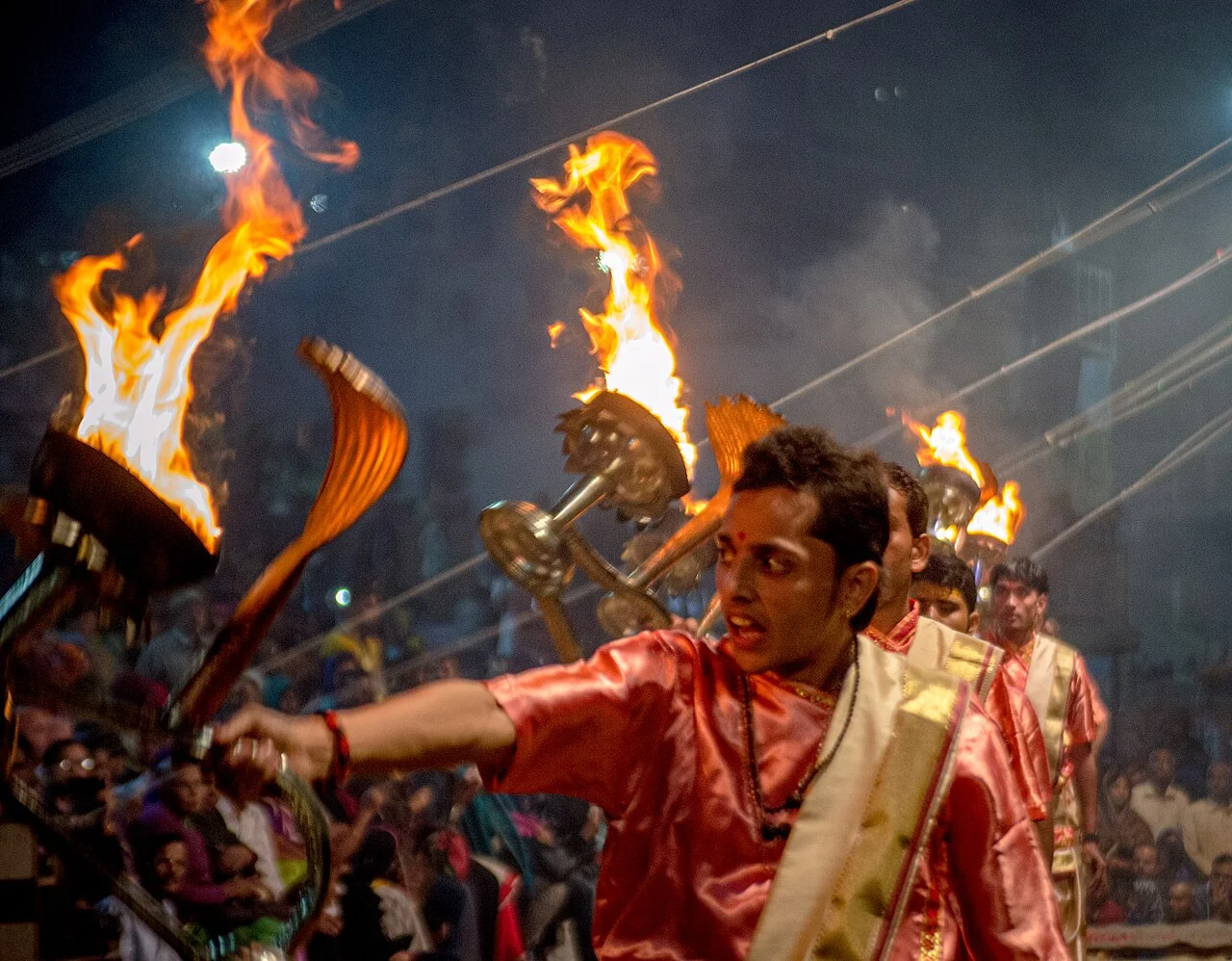
Dashashwamedh offers a different atmosphere from a quiet dawn stop. The approaches grow busier around the evening ceremony, and the riverfront gathers worshippers, visitors and people earning their living. An open public viewing position may give you the experience you want without a package. Paid boat viewing, private platforms and reserved arrangements are separate choices, not prerequisites for seeing the riverfront.
Do not choose a free position solely because it is close to the lamps. Look for a sensible way out, space to stand without blocking movement and a view that does not require leaning over others. If the crowd no longer feels comfortable, move back or leave. A glimpse from a manageable position is better value than an uncomfortable hour in a place you cannot easily exit.
Our best places to watch Ganga Aarti compares viewing settings in more detail. This page's budget advice is simpler: decide whether you want to witness the ceremony or purchase a particular perspective, then spend only on the part that matters to you.
Old City lanes: look at everyday craft and commerce
The lanes around the central visitor area can reward an unhurried walk even if you buy nothing. Notice the scale of signboards, the way a small shop displays its stock, or how a delivery moves through a street built for a different pace of life. Keep to a recognisable, occupied route and use a landmark you can identify on the return.
Window shopping is free; a craft demonstration is not automatically a public attraction. Ask before entering a workshop, photographing a worker or expecting someone to spend time explaining a process. If a seller invites you inside, make your level of interest clear. Courtesy is compatible with saying that you are looking rather than buying today.
Use the Banarasi shopping guide when you want to understand markets and purchasing questions. On a no-ticket day, you can concentrate instead on the visual details: folded textiles, painted shutters, brass vessels and the arrangement of goods in a narrow frontage. Avoid photographing people as if their work were a staged performance for your camera.
General temple darshan: separate worship from paid services
The Kashi Vishwanath Trust's published FAQ states that general temple entry does not require payment. Booked rituals and assisted services have their own terms. That makes general darshan a possible part of a low-cost visit, but it should be chosen for worship and with realistic time available, rather than treated as a quick free monument stop.
Before joining the approach, resolve belongings and understand the current instructions. The Trust's newer notice says locker capacity is limited and restricts electronic devices inside the temple premises and sanctum. Leave unnecessary luggage at your accommodation. A free-entry plan can still become inconvenient if it depends on finding storage at the last minute.
For practical details, follow the dedicated Kashi Vishwanath darshan guide. If your main interest is the wider redevelopment, read the Corridor sightseeing guide. Neither an open courtyard nor a photograph establishes access to every part of the precinct on the day you visit.
Build a ticket-free day around one neighbourhood at a time
| Part of the day | Ticket-free focus | Costs to keep separate |
|---|---|---|
| Dawn | Assi river views and the permitted public programme area | Transport, tea, breakfast and optional boat service |
| After breakfast | A manageable southern-ghat walk | A guide or any privately offered activity |
| Late morning | Rest, or a short occupied-lane circuit | Shopping and refreshments |
| Evening | A public Dashashwamedh viewing position if comfortable | Reserved seating, a boat or a private venue |
This is an editorial day shape, not a timetable. You can choose the southern morning or central evening without doing both. Walking between distant areas simply to avoid a fare may leave you too tired to enjoy the place you came to see. Use a short paid transfer when it protects the rest of the day.
Do not add Sarnath's archaeological attractions, a museum, a fort interior or a boat to a free list without checking its individual admission or service charge. A destination containing public streets may also contain separately ticketed sites. Low cost and free are useful categories, but they are different categories.
The strongest budget memory may be the one you allow time to develop. Sit where you are permitted, watch the light shift and leave room for an ordinary conversation when someone wants to have one. Varanasi offers plenty without an entrance ticket; attention, courtesy and a workable route are what make the experience feel generous.
Photograph sources and licences
Hero photograph: Assi Ghat on river Ganga.jpg. Akarsh Kandpal / Wikimedia Commons; CC BY-SA 4.0. Source: https://commons.wikimedia.org/?curid=59485197. Licence: https://creativecommons.org/licenses/by-sa/4.0. Photograph date: 2016-04-14 05:48:03. Resized and converted to WebP; no generative editing.
Article photograph: Ganga Aarti Varanasi.jpg. Philip Nalangan / Wikimedia Commons; CC BY-SA 4.0. Source: https://commons.wikimedia.org/?curid=185193105. Licence: https://creativecommons.org/licenses/by-sa/4.0. Photograph date: 2015-12-14. Resized and converted to WebP; no generative editing.
These documentary photographs are credited to their original photographers. They illustrate the identified places and do not establish current access, services or crowd conditions.
BEFORE YOU GO
Frequently asked questions
Can I enjoy Varanasi without paying for attractions?
Yes. Public riverfront areas and an ordinary lane walk can fill a worthwhile outing without admission tickets, subject to current access controls. Budget separately for accommodation, travel, food and any optional service. A ticket-free sightseeing plan does not mean the whole trip costs nothing.
Is watching Ganga Aarti always free?
A permitted public position can allow you to watch without buying a package. Reserved spaces, private terraces, boats and organised services may charge. Ask what an offer includes before agreeing, and follow staff directions if an area is controlled or crowded.
Which paid experiences should I leave out of a free itinerary?
Treat boat services, guided tours, museum admission, fort interiors and ticketed archaeological areas as separate budget decisions. Never assume that a free approach road includes entry beyond a checkpoint. Check the relevant official counter or operator before changing your plan.
Are the ghats suitable for a free walking tour in every season?
Conditions vary. High water, silt, wet steps or barriers can interrupt a riverside route. Choose a shorter accessible section when necessary and ask about the current way back. Keep an upper-street alternative rather than expecting an uninterrupted walk beside the water.
What is the easiest way to keep spending under control?
Choose the neighbourhood first, carry the essentials and decide which optional service you genuinely want before accepting offers. Confirm charges clearly. Saving a little on admission is less useful if an overly long route creates an expensive or uncomfortable return journey.
REFERENCE NOTES
Sources and practical updates
These primary sources support the factual background of this guide. For your travel dates, confirm the current arrangements with the responsible venue, property or service provider.
- Varanasi district administration: riverfront setting and ghat use
- Varanasi district administration: dawn programme at Assi and river ceremonies
- Kashi government portal: Assi Ghat
- Kashi government portal: Tulsi Ghat location
- Kashi Vishwanath Trust FAQ: general entry; operational details need current confirmation
- Kashi Vishwanath Trust: current access, electronics and limited-locker notices