Around Manikarnika, the sacred landscape is much larger than the cremation ground for which the ghat is known. Shiva shrines, a goddess temple above the northern lanes and the Nepalese temple towards Lalita belong to the same densely layered neighbourhood. You can explore these places without making funeral activity the centre of your visit.
The most useful plan is a small circuit with a clear entrance and exit. Some shrines are near the working ghat; others are a longer walk through the lanes. Start with the temples you wish to visit, ask which approach is currently open, and allow the route to change when rites, river conditions or pedestrian controls require it.
Understand the neighbourhood before choosing a circuit
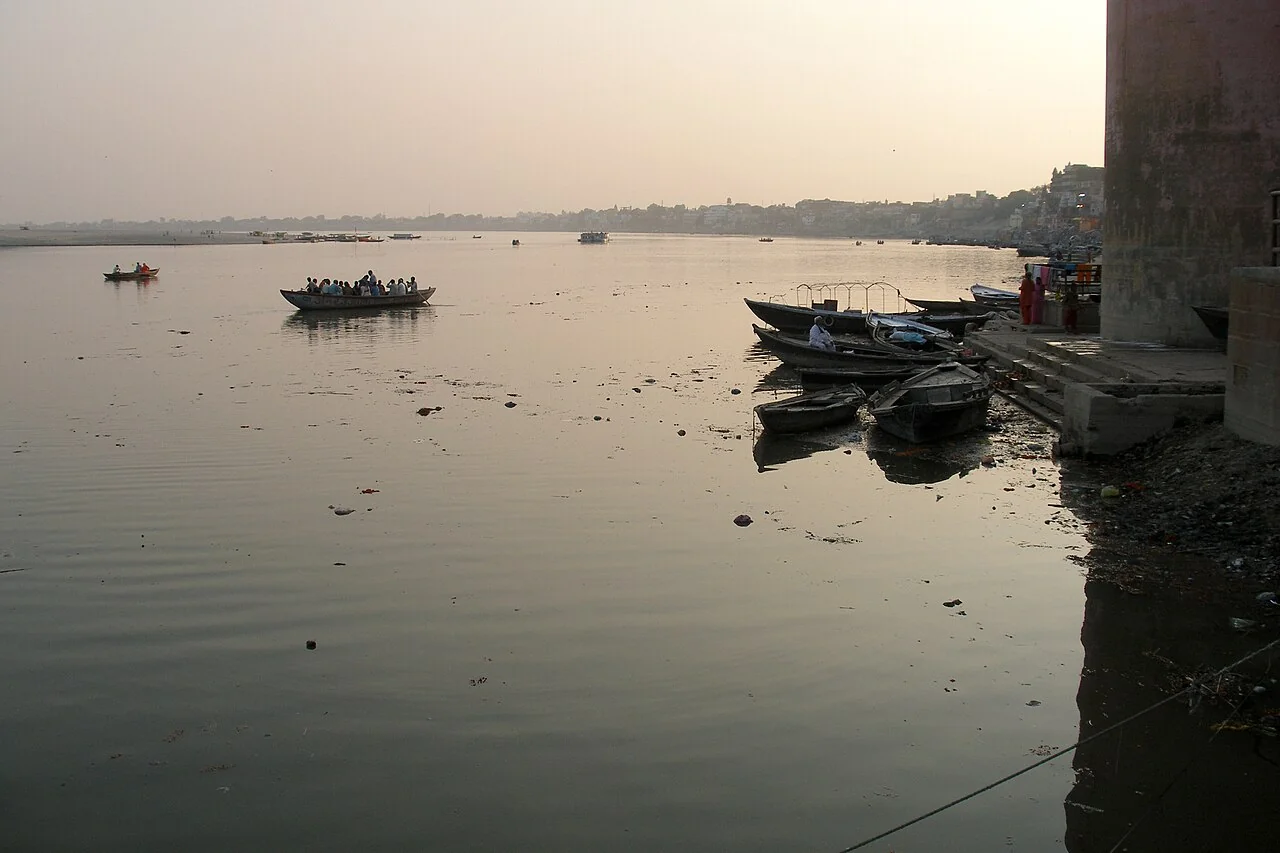
Manikarnika lies north of Lalita Ghat and south of the Scindia-side riverfront. The lowest steps are not a dependable through-route: water, work and funeral movement can change access. Upper lanes provide other connections, but finding the right passage requires more than drawing a straight line on a map.
The table groups nearby shrines by their role in a visit. It does not promise that their entrances are directly connected or that a single gate admits you to all of them.
| Shrine | Setting | Best way to include it |
|---|---|---|
| Tarakeshwar Mahadev | Associated with the Manikarnika sacred area | A short, purposeful worship visit using the locally indicated approach |
| Ratneshwar Mahadev | Low riverfront setting near the Manikarnika–Scindia area | Exterior observation from an open position when river conditions permit |
| Sankatha Devi | Lanes near the Scindia Ghat neighbourhood | The main temple stop for a northern lane circuit |
| Nepali Mandir | Above Lalita Ghat, south of Manikarnika | An architectural and devotional stop on a southern extension |
| Vishalakshi | Meer Ghat lanes, further south | Combine with Lalita when you want a longer goddess-and-riverfront circuit |
| Kashi Vishwanath | Inland within the Dham precinct | Plan separately for security, reporting and darshan queues |
These places serve different purposes. A photograph of a leaning temple, a goddess darshan and a booked Vishwanath ritual do not need to fit into one uninterrupted walk.
Tarakeshwar: identify the correct shrine
Tarakeshwar, also written Tarkeshwar, is connected with Shiva worship in the Manikarnika area. Religious accounts associate Shiva's liberating presence in Kashi with the place. Those are devotional traditions, rather than claims about a measurable outcome for visitors.
The name needs care. The Cultural Heritage of Varanasi documentation distinguishes several Tarkeshwar shrines around the ghat and Vishwanath corridor. A map result for the name alone may therefore lead to a different temple from the one you intended. Ask specifically for the shrine associated with Manikarnika and confirm the approach before entering a narrow passage.
If your purpose is prayer, explain that to your guide. There is no need to add a close inspection of cremation activity on the way. Carry only what you need, follow the footwear arrangements at the shrine and make room for local worshippers.
Avoid accepting a claim that an unusual payment guarantees spiritual benefit or special access. If arranging a puja, ask the priest what it involves and agree the amount beforehand. Donations and a clearly agreed service are separate choices. You can also make a simple visit without purchasing an elaborate ritual package.
Ratneshwar Mahadev: appreciate the setting from a sensible distance
Ratneshwar is the leaning Shiva temple familiar from many riverfront photographs. Its low position makes the relationship between architecture and river level particularly visible. The Kashi government portal notes that its sanctum is often submerged; an exterior view may be the only appropriate way to experience it.
Do not plan on entering because a photograph shows dry steps. The image may have been taken in another season, and access can change considerably. View the temple from an open, stable position and follow any local boundary. There is no reason to descend into water or cross a working route to reproduce a familiar camera angle.
Stories about the temple's tilt and patronage circulate in several forms. Treat them as local narratives unless a guide can identify supporting evidence. A travel visit does not require a single dramatic explanation for every architectural feature.
Keep the frame respectful. If bodies, pyres or mourners would appear in the background, put the camera away or choose a different composition entirely. The fact that the temple is a popular photographic subject does not make nearby funeral activity part of a public photo opportunity.
Sankatha Devi: the northern temple option
Sankatha Devi is an important goddess shrine identified by the district administration near Scindia Ghat. It is a good focal point for visitors who want a temple visit in this part of the Old City while keeping the cremation ground peripheral to their outing.
Use the complete name when asking directions. Sankatha Devi and Sankat Mochan are different temples: the latter is the Hanuman shrine in south Varanasi near the Assi–BHU circuit. Confusing them can turn a lane walk into an unexpected journey across the city.
Ask for the upper-lane approach currently being used. Do not assume that reaching Scindia's steps means you are already at the temple entrance. Allow time to locate the doorway, leave footwear where directed and join worship calmly.
The shrine can be the main destination rather than another item after several demanding visits. Goddess observances may bring additional crowds, so check arrangements when your dates coincide with a festival. After darshan, take a break in a suitable open place before deciding whether to continue south towards Lalita or leave inland.
Lalita, Nepali Mandir and the Vishalakshi extension
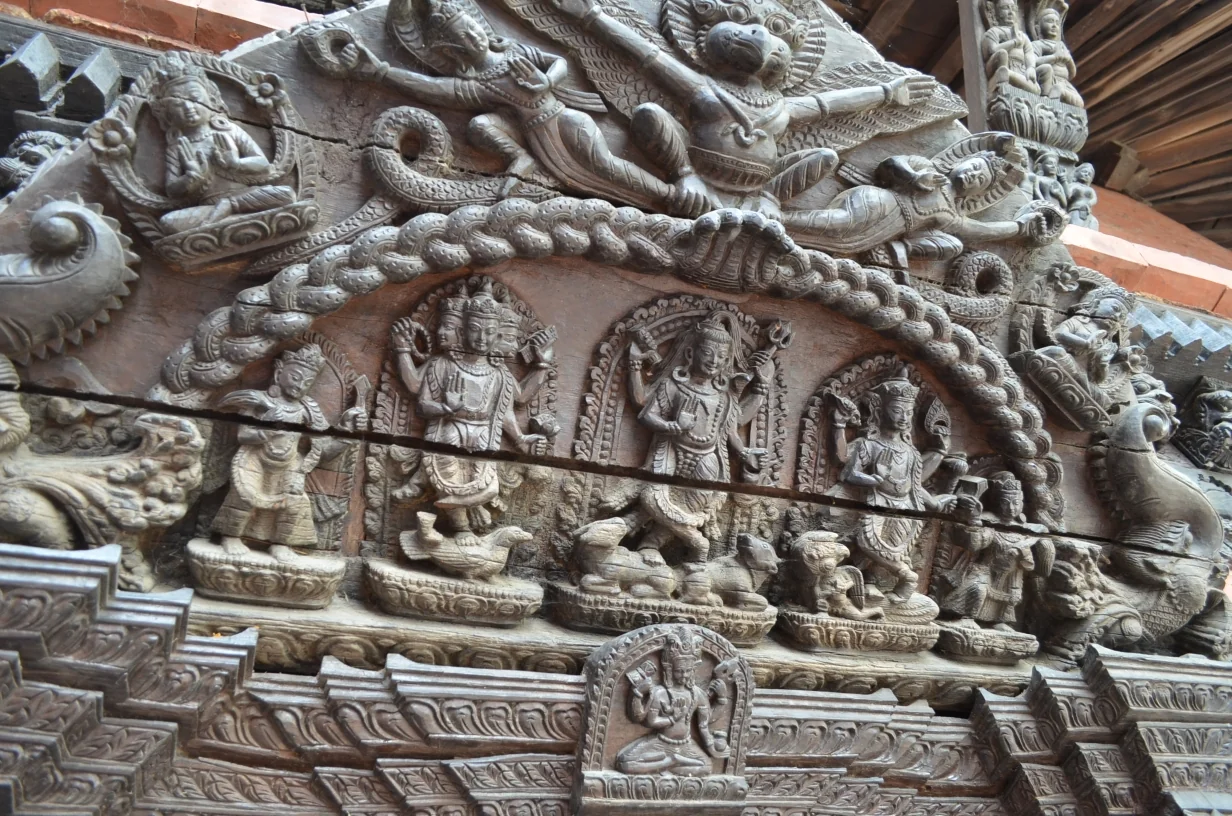
South of Manikarnika, Lalita Ghat provides the setting for Nepali Mandir, also called Kathwala. Its Nepalese form and wooden detailing give the walk an architectural focus quite different from the surrounding stone riverfront. It is associated with Pashupateshwar worship.
Reaching the temple involves changes in level. Check which entrance is open, whether any visitor charge applies and where photography is permitted. A real photograph of the temple on this page illustrates that southern extension; it is not a current image of the condition of the whole walking route.
Vishalakshi lies further south in the Meer Ghat lanes. It belongs to Shakti Peetha tradition and is a meaningful addition for visitors interested in goddess worship. Ask for the temple and locality together, because the entrance may not be visible from the riverfront.
You can finish at Lalita or Meer without returning through the cremation-ground area. Read our Dashashwamedh to Manikarnika walk for the broader connection. If someone is tired or uncomfortable, shorten the route there. A temple circuit remains complete in purpose even when its last optional stop is omitted.
Two walking plans that leave room for worship
For a northern shrine visit, make Sankatha Devi the main destination and ask locally whether a respectful exterior view of Ratneshwar is practical afterwards. Keep roughly ninety minutes to two hours as an editorial outing budget, excluding a long queue, a substantial detour or travel from your hotel. It is a flexible allowance, not a measured walking duration.
For a southern circuit, begin around Lalita, visit Nepali Mandir and continue to Vishalakshi if the group is comfortable. The temple visits, steps and lane-finding can fill a relaxed two-hour block. Avoid treating the lowest waterline as compulsory; an inland connection may be the appropriate route.
If you want Tarakeshwar specifically, build the plan around that shrine and the open approach staff or a knowledgeable local guide identifies. Do not add a ceremonial visit to Vishwanath immediately afterwards without allowing for its separate admission process. The Dham's visible proximity does not eliminate security or queues.
For the main temple, use our Kashi Vishwanath darshan guide. For a wider cluster of shrines, the temples near Vishwanath guide explains a different starting point. Separating the circuits prevents repeated climbs and gives each visit time to breathe.
Cremation-area etiquette and a practical way out
Funeral parties and workers have priority in the Manikarnika area. Keep stairways clear, step aside for processions and never cross timber stacks, ritual materials or a working space to maintain a route suggested by your phone. If someone asks you to move, do so without turning it into a discussion beside mourners.
Do not photograph or film bodies, pyres, mourners or cremation work. Apply that boundary from rooftops, upper terraces and boats as well. A zoom lens or a payment to someone nearby does not remove the family's privacy.
Questions about funeral practices are better discussed quietly with a guide away from the working ground. Avoid pointing at a particular family or asking mourners to explain what they are doing. Children should know beforehand what the neighbourhood may contain, and families can choose a route that avoids the active area.
Wear secure footwear, carry little luggage and expect uneven surfaces. In high water or after rain, lower connections may be unavailable or slippery. Ask for an established open stair and lane route rather than balancing along an edge. A continuous step-free circuit is not established here.
Finally, decide where the outing ends. Ask for a named inland destination or reachable vehicle meeting point instead of simply requesting “the main road.” Keep your accommodation address available and allow time to find the correct lane. A thoughtful temple visit in this neighbourhood ends with the same consideration it begins with: attention to the place, its worshippers and the people whose daily responsibilities continue around you.
Photograph sources and licences
Hero photograph: Matt Stabile / Wikimedia Commons; CC BY 2.0. Source: https://commons.wikimedia.org/?curid=74348576. Licence: https://creativecommons.org/licenses/by/2.0. Resized and converted to WebP; no generative editing.
Article photograph: Vyacheslav Argenberg / Wikimedia Commons; CC BY 4.0. Source: https://commons.wikimedia.org/?curid=106203658. Licence: https://creativecommons.org/licenses/by/4.0. Resized and converted to WebP; no generative editing.
BEFORE YOU GO
Frequently asked questions
Which temples are closest to the Manikarnika area?
Tarakeshwar and Ratneshwar are associated with the immediate sacred riverfront area. Sankatha Devi is a northern lane visit near Scindia, while Nepali Mandir and Vishalakshi are southern extensions. The actual entrance and open walking connection matter more than a straight-line map distance.
Can I visit nearby temples without watching cremations?
Yes. Make the shrine your destination and ask for an approach that avoids the working ground. Sankatha or a Lalita–Vishalakshi circuit can provide a purposeful temple outing. You do not need to remain near a pyre or make funeral activity part of the visit.
Can I enter Ratneshwar Mahadev Temple?
Do not assume entry. Its low setting means the sanctum is often submerged, and river conditions or local boundaries may limit access. An exterior view from an open stable position can be the appropriate visit. Never enter water or cross a restricted route for a photograph.
Is Sankatha Devi the same as Sankat Mochan?
No. Sankatha Devi is in the northern Old City near the Scindia Ghat neighbourhood. Sankat Mochan is the Hanuman temple in south Varanasi. Give the complete name and locality when asking a driver, guide or local resident for directions.
Can I combine these temples with Kashi Vishwanath?
You can combine them within a day, but Vishwanath needs its own security, belongings and queue allowance. Do not attach a tight temple booking to an uncertain walking circuit. Choose the main purpose first, then keep the smaller shrine visits flexible around it.
REFERENCE NOTES
Sources and practical updates
These primary sources support the factual background of this guide. For your travel dates, confirm the current arrangements with the responsible venue, property or service provider.
- Varanasi district administration: temple identities and neighbourhoods
- Cultural Heritage of Varanasi, Arushi Bisaria: distinct Tarkeshwar shrines
- Kashi government portal: Ratneshwar and its low riverfront setting
- Kashi government portal: Nepali Mandir, Lalita Ghat
- Kashi government portal: Vishalakshi and Shakti Peetha tradition