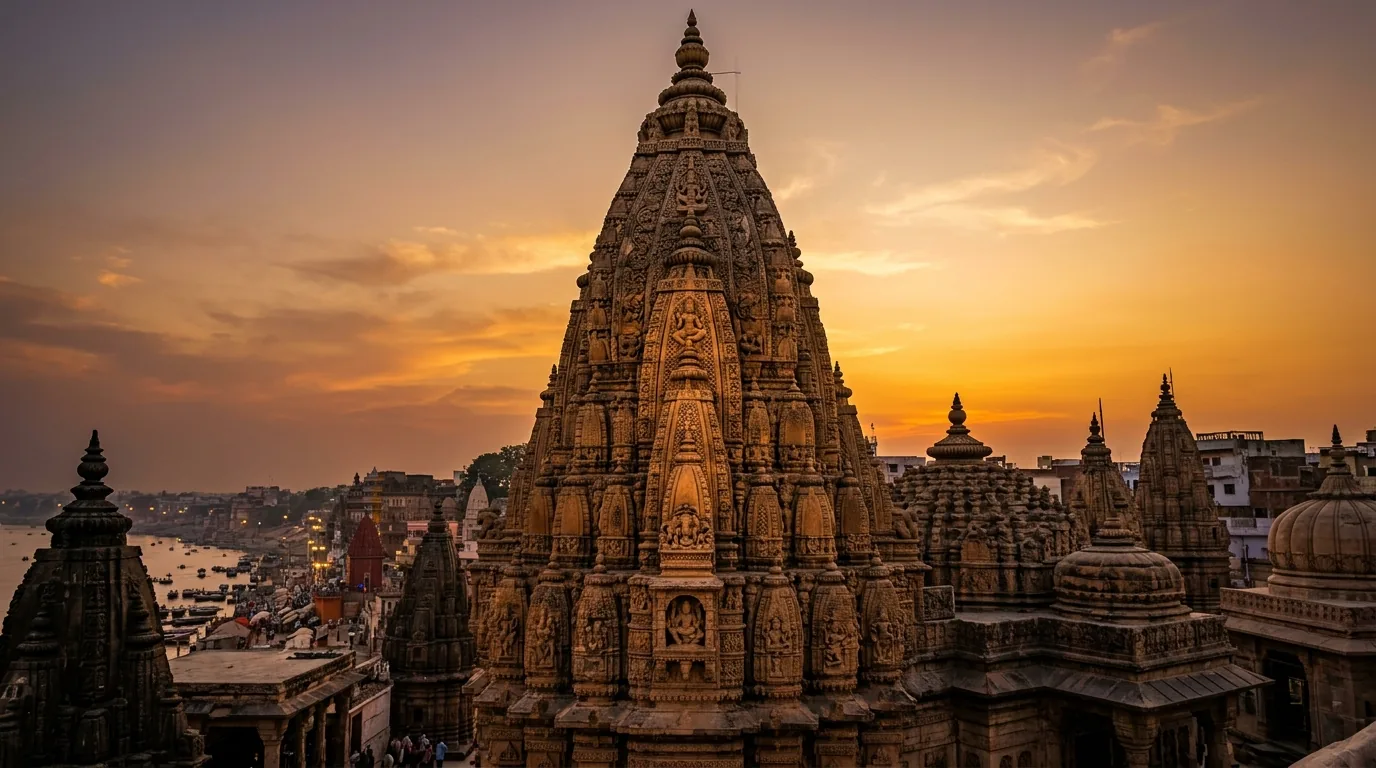
Durga Kund is an important stop for visitors interested in the goddess traditions of Varanasi. The red temple and its relationship with the adjacent tank make the setting distinct, but its identity is religious before it is architectural. A useful visit allows time to understand where worship is taking place, follow the current entrance arrangement and look at the surroundings without obstructing those who have come to pray. Combine it selectively with another southern destination rather than treating the whole area as one attraction.
Understand the shrine and the kund
The temple is dedicated to Durga, and the word kund refers to the associated water tank. Government tourism descriptions identify the shrine with the city's goddess worship and with heightened devotion during Navratri. Treat the religious meaning as part of an active practice, not merely an explanation of the colour and shape of the building.
An account of the temple's age or a sacred origin story should be distinguished from the date of any particular surface, repair or feature visible today. You can appreciate the architecture without assigning an uncertain age to every detail. Read identification notices where available and ask an appropriate custodian about features that interest you.
Plan a Durgakund arrival
Use the full name Durga Kund Temple, with the Durgakund locality, when discussing the destination. Varanasi has other shrines dedicated to Durga, including places beyond the central city. The locality helps prevent an ambiguous temple name from becoming the wrong journey. Confirm the permitted road stop and the final pedestrian approach.
If beginning from Assi or the BHU side, decide whether you want a retained vehicle for several stops or simply a drop. Agree waiting and collection explicitly. A driver being nearby at the beginning does not establish where they can stop when you emerge. Keep the return address available independently of a map pin.
Check the actual visit window
Before travelling, confirm current morning and evening entry periods, any closure between them and whether a particular ritual changes the queue. Navratri and other religious occasions can alter ordinary movement and waiting. A published tourism listing cannot predict the time your group will need at the entrance or inside.
Choose your first stop according to the confirmed window rather than geographical neatness alone. If Durga Kund is closed when another nearby place is open, change the sequence. Keep a meal or a rest as the alternative instead of standing outside with everyone waiting for a guessed reopening time.
Look around without intruding
Notice how the temple, tank and surrounding movement relate to one another from areas open to visitors. Do not interpret the presence of a sacred tank as an invitation to enter the water. Follow barriers and local instructions, and keep children beside an accompanying adult near changes of level or the water's edge.
Remove footwear at the designated point, ask about belongings and check photography restrictions before raising a camera. An exterior photograph and a sanctum image are different permissions. If you are visiting principally for architecture, explain that interest through your behaviour: pause out of the queue and give worshippers the right of way.
Pair it with a different kind of visit
Tulsi Manas offers a useful next question about language, literature and religious storytelling, rather than another version of the same architectural stop. Sankat Mochan has a distinct Hanuman devotional focus. Choose the one that means something to your group and read its current instructions before setting off.
The Tulsi Manas Temple guide and Sankat Mochan guide explain those differences. The wider Assi-area temple circuit helps with the day's shape. Allow time to collect footwear, meet the vehicle and take a proper break between visits.
BEFORE YOU GO
Frequently asked questions
Is Durga Kund in the Kashi Vishwanath precinct?
No. It is a separate southern-city destination in the Durgakund locality. Do not add it to an Old City walking plan as if it were an adjoining shrine. Arrange the journey and the final approach separately.
Does a temple visit include entering the tank?
No. The tank is part of the setting and religious geography, but access and permitted activity depend on current instructions. Stay within visitor areas and do not enter the water or cross a barrier because another person appears to do so.
Is Navratri a good time for a first visit?
It can be meaningful for someone seeking the devotional occasion, but increased activity requires flexible timing and patience. Ask about current crowd arrangements. Visitors more interested in the architecture may prefer an ordinary visit that fits their companions' comfort.
REFERENCE NOTES
Sources and practical updates
These primary sources support the factual background of this guide. For your travel dates, confirm the current arrangements with the responsible venue, property or service provider.
- Varanasi district administration: temple identity and locality; historical listing, not a current operating timetable
- Kashi government portal: Durga shrine; locality cross-checked against district information