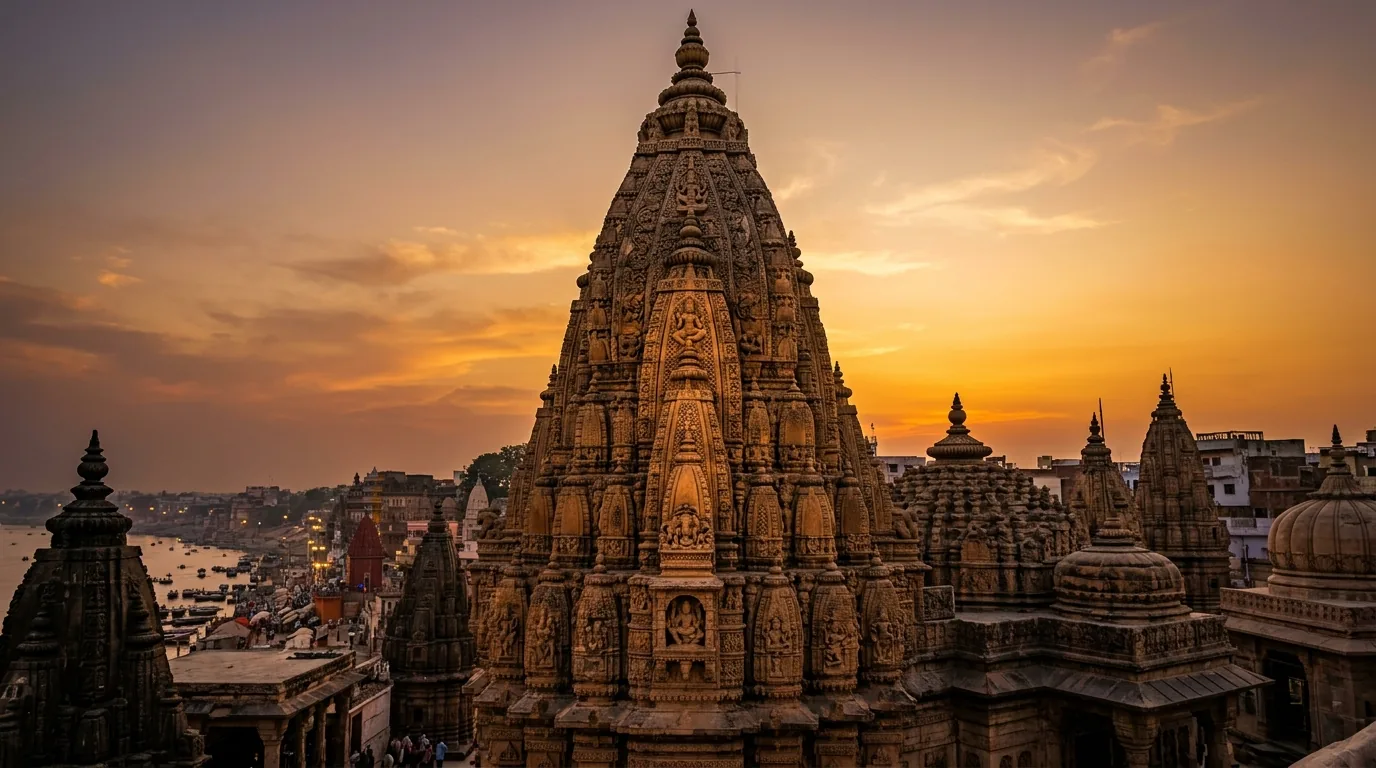
Tulsi Manas gives a southern Varanasi temple outing a particular focus: the relationship between a sacred story, its language and the space in which people encounter it. The marble setting and Ramcharitmanas inscriptions invite a slower kind of attention than a hurried stop for a photograph. You need not read every verse to appreciate the place. Begin with one passage or one detail, understand why it matters to a companion, and allow worship to set the pace around you.
A temple associated with the Ramcharitmanas
Government tourism descriptions identify Tulsi Manas as a Rama temple connected with the cultural memory of Tulsidas and the Ramcharitmanas. The modern temple should be distinguished from the much older literary and devotional tradition it celebrates. A place associated with a poet's memory is not evidence that every present building feature belongs to the poet's own lifetime.
The inscriptions are a useful starting point for visitors who enjoy literature. Notice how written words occupy the walls and become part of the experience of moving through the temple. If someone in your group reads the language, ask them to choose a short passage to discuss afterwards, away from anyone waiting to worship.
Reach the correct southern destination
Specify Tulsi Manas Temple in the Durgakund area when arranging the journey. It is a different place from Tulsi Ghat on the riverfront. Both names connect with Tulsidas, but they are not interchangeable destinations. Confirm the exact road stop and the walking connection before beginning a multi-stop itinerary.
Durga Kund is a natural neighbouring choice, while Sankat Mochan requires its own journey and entry arrangement. Decide whether the transport is a single drop or an agreed southern circuit. Ask where the vehicle will wait and how you will recognise the collection point; do not leave that conversation until the whole group has exited in different directions.
Timing, entry and an unrushed visit
Confirm the current morning and evening visiting periods, any interval between them and the arrangements on a religious occasion. A listing of daily opening hours is only the first part of planning. The specific area you want to see, an exhibition or another associated activity may operate differently from the main worship space.
Keep any extra attraction optional until its availability and charge are clear. Do not arrive expecting a particular display merely because an old description mentioned it. An attentive temple visit can be worthwhile on its own, and a literary interest does not require every associated exhibit to be operating.
How to look and listen respectfully
Ask about footwear and photography before entering controlled spaces. Reading a wall closely is appropriate only where you can stand without blocking movement. If you wish to copy a verse or make a note, choose an unobtrusive position and follow any instructions about devices or writing materials.
Children can be invited to notice how a story is presented through text and architecture, without turning the sanctum into a game. Explain the change in behaviour before entering. A conversation over a meal afterwards can explore the story more freely than a long explanation delivered beside worshippers who need quiet.
A short circuit with a clear theme
One useful combination is Durga Kund for its goddess shrine and tank setting, followed by Tulsi Manas for the literary connection. Another is Tulsi Manas and Sankat Mochan, approached as distinct Rama-related and Hanuman devotional visits. These are editorial pairings, not a requirement to follow a religious sequence or a promise that both venues will be open together.
Read the Durga Kund guide and Sankat Mochan guide before choosing. If the group is already tired, return for a meal instead of adding the BHU area automatically. A short outing with a recognisable theme often leaves a clearer memory than several names seen briefly from a vehicle.
BEFORE YOU GO
Frequently asked questions
Is Tulsi Manas the same as Tulsi Ghat?
No. The temple is a southern-city religious destination in the Durgakund area, while Tulsi Ghat is a riverfront place. Use the complete name and locality when speaking to a driver or comparing map results.
Do I need to understand the inscriptions to enjoy the temple?
No. You can observe the relationship between language, devotion and architecture without reading every passage. A reliable explanation of one short section can add context. Give people engaged in worship space rather than expecting them to translate on demand.
Can I assume every associated display is open?
No. Ask about current access, timing and any separate charge for the particular display you wish to see. Keep it optional until confirmed. The main temple's opening arrangement does not automatically establish the operation of an exhibition or other activity.
REFERENCE NOTES
Sources and practical updates
These primary sources support the factual background of this guide. For your travel dates, confirm the current arrangements with the responsible venue, property or service provider.
- Varanasi district administration: temple identity and locality; historical listing, not a current operating timetable
- Kashi government portal: Tulsi Manas, inscriptions and the Ramcharitmanas